Cancer can be considered a multi-organ, multi-factor, long-latency degenerative and chronic disease that results, in part, from a complex interplay of genetics, diet, lifestyle, inactivity, stress and environmental toxicants. Because carcinogenesis may span up to 10 years or more for certain canine and feline cancers, veterinary researchers have emerging opportunities to seek out dietary chemoprevention strategies to suppress the disease in its early, premalignant stages before clinical, invasive disease develops.
Despite significant advancements in companion animal cancer treatment over the last decade, the relationships between nutrition and veterinary cancer control and prevention remain in their infancy. Developing dietary strategies for reducing companion animal cancer incidence and mortality—overall and for specific cancers—will be an exciting and challenging endeavor that will take extensive research coordination using evidence-based designs.
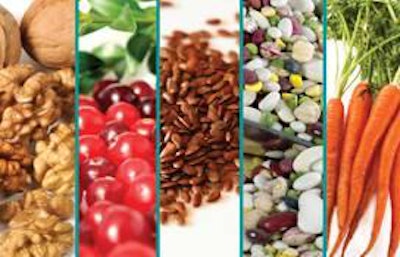
A number of natural compounds from plants have been studied using laboratory models of cancer control and prevention (Steele and Lubet, 2010). These plant compounds—also known as phytochemicals—are found in spices, fruits and vegetables, traditional Chinese and Ayruvedic herbs. More recently, they have also been discovered in staple foods such as legumes and whole grains (Gullet et al., 2010). Fatty acids and certain oils from fish, palm, rice bran and nuts have also received increased attention for containing cancer-fighting activities. (For information on rice bran, see https://avmajournals.avma.org/view/journals/javma/238/5/javma.238.5.593.xml.)
Although the studies have informed us of nutritive/bioactive food components with chemopreventive properties, these food components merit continued investigation during canine and feline tumor progression because differences in baseline nutritional status influence host nutrient needs and requirements. Genetics and differences in rates of liver and kidney metabolism may make some cancer types more responsive to dietary/nutrient changes than others.
Dietary exposures are generally known to regulate important cellular metabolic processes that promote growth and proliferation, while mutations in oncogenes and tumor suppressor genes also regulate these pathways during the initiation, promotion and progression of cancer. In 1924, cancer cells were discovered to metabolize glucose in a manner distinct from that of normal cells. This phenomenon, referred to as the Warburg effect, has helped identify molecular metabolic signaling pathways that are controlled by non-essential nutrients, also referred to as bioactive food components (Kim and Milner, 2011).
Dietary, caloric restriction has demonstrated the most consistent delay in the progression and prevention of tumor development across species, including canines (Lawler et al., 2008). These studies demonstrate that a scarcity or deficiency in calories (i.e., energy intake) adapt cellular metabolism in favor of blocking tumor growth.
On the other hand, an excess of caloric intake leads to overweight body types, and obesity has now been strongly associated with increased cancer risk in humans. Mechanisms implicated in the relationships between obesity and cancer include, but are not limited to, enhanced glucose availability, increased insulin sensitivity, inflammation and oxidative stress (Brawer et al., 2009). While we have seen a dramatic rise in obese and overweight pets, a direct link to increased canine or feline cancer risk with obesity has not yet been conclusively determined but is hypothesized (Lawler; German et al., 2010; Basen-Engquist and Chang, 2011).
Unlike drugs, essential and nonessential nutrients work in complex metabolic networks to maintain or regulate homeostatic functions and are therefore difficult to contrast with a true placebo (no exposure) group. Furthermore, the beneficial effects of dietary components may be small and incremental, taking many years to manifest.
Identifying canine metabolic and cancer risk biomarkers to assess favorable responses to a dietary intervention is warranted. Though the principles of randomized controlled trials often yield inconclusive results because the complex network of metabolic changes are often not captured with routine clinical measures, veterinary practitioners, researchers and pet owners may be better served by a nutrition-centered framework with reliable biomarkers suited to assess systemic changes in metabolism that capture a breadth of biological processes. These include inflammation, oxidative stress and glucose metabolism.
Dietary chemoprevention involves the use of chemicals, vitamins or other substances in the diet or to prevent or decrease the incidence of cancer. To our knowledge, no long-term dietary chemoprevention studies have been conducted in companion animals using evidence based trial designs. Given the difficulties associated with such studies, the petfood industry should be cautious of single-nutrient health claims in veterinary oncology.
Another promising area is to study nutritional needs during the course of cancer treatment, including surgery, radiation, chemotherapy and palliative care (Ogilvie et al., 2000). Determining the efficacy of certain dietary components during cancer treatment in companion animals adds another layer of complexity to the already complicated set of interactions but may yield important information on health outcomes in a shorter time frame.