News & Newsletters
Expert Insights
Petfood Forum
Career Center
Magazine
More
Sign In
Market Trends & Reports
Nutrition
Safety & Quality
Production
Packaging
Sustainability
Regions
Top Story
Petfood Forum
Alternative proteins: Crafting a sustainable pet food future
Rich Kelleman will speak on the benefits and challenges of sustainable, alternative proteins at Petfood Forum in Kansas City this month.
Latest News
KibbleCon 2024 dates announced
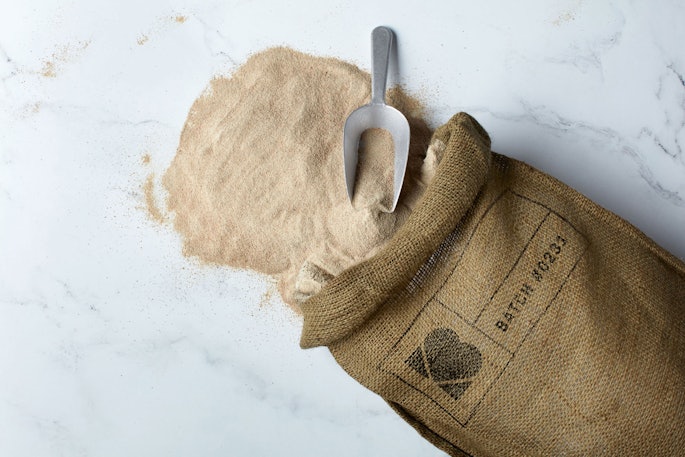
Yeast: A possible approach to preventing pet disease
BARK appoints new independent directors
Legal wins boost pet ownership in Singapore, South Korea
Vietnam's pet industry anticipates increased US investments
Exploring the growing role of probiotics in pet wellness
Colombian pet food, dairy leaders collaborate on new dog treat
Featured
Pet food inflation slowly declining, producer prices aren’t
Nestlé Purina, Cargill partner to reduce dry pet food carbon footprint
More from Petfood Industry
Adventures in Pet Food
Pet food inflation slowly declining, producer prices aren’t
Year-over-year pet food prices showed improvement in March 2024, but increases are still in double digits compared to 2021, driven by higher producer prices.
Brand Insights
Pet Food Quality: A More Holistic Approach to Food Safety
KEMIN NUTRISURANCE
Learn why addressing microbial risks throughout the value chain is critical to a robust food safety program. Brand Insights from Kemin.
Grains and Starches
Nestlé Purina, Cargill partner to reduce dry pet food carbon footprint
Nestle Purina PetCare
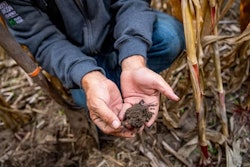
Investment in regenerative agriculture is estimated to reduce the carbon footprint of Purina’s U.S. grain supply from Cargill by up to 40% over the next three years.
Pet Food Market
Plant-based ingredient supplier enters pet food market
Green Boy's pet food division will will offer ingredients for dry and wet pet food and for the utilization of all kinds of pet food products.
Pet Food Market
Private label pet food enjoys booming popularity in Eastern Europe
Private labels have acquired nearly a third of the overall value share in Europe, indicating a significant shift in consumer preferences toward more affordable alternatives to branded pet food.
Petfood Forum News
Petfood Forum Europe 2024 tackles opportunities, challenges
Petfood Forum Europe will co-locate with Interzoo for the second time and feature research and insights on the biggest topics for the pet food industry.
Petfood Forum News
Petfood Forum 2024 explores the cutting edge for pet food
During Petfood Forum 2024, industry experts will present on advances in AI, alternative proteins, the microbiome, automation and other hot topics for pet food.
In Print
April 2024
Subscribe
Digital Edition
Archives
Pet Food Market
Pet food brands named to America's Greatest Workplaces for Diversity list
Newsweek recognized several pet food and pet industry brands for "genuinely respecting and valuing individuals from different walks of life."
Pet Food Labeling
PFLM: Are you ready?
Here’s how pet food label modernization will impact manufacturers and pet food packaging.
Pet Food News
Polish insect-protein producer ramps up capacity for pet food
Plus, Ukraine's Kormotech expands into Romania and Denmark's BHJ acquires an Australian pet food maker.
Pet Food News
Halal pet food company to launch in the UK
Aihtsham Rashid is establishing a new 100% halal-certified pet food company, beginning with cat food, in the UK market.
Market Trends and Reports
3 influences on pet food: demographics, private label, inflation
The percent of buyers and dollars happening exclusively online saw increases, while the percent of buyers and dollars happening exclusively in-store declined.
Production
Nestlé to invest €472 million in Italian pet food factory
The 180,000 square-meter production plant will be based in Mantua, about 160 kilometers southeast of Milan.
Sponsor Content