News & Newsletters
Expert Insights
Petfood Forum
Career Center
Magazine
More
Sign In
Market Trends & Reports
Nutrition
Safety & Quality
Production
Packaging
Sustainability
Regions
Top Story
Pet Food Insights
Pet food label modernization is here (now states need to adopt it)
With a six-year grace period for compliance, the pet food industry has a lot of work ahead.
Latest News
Yeast: A possible approach to preventing pet disease
Colombian pet food, dairy leaders collaborate on new dog treat
Vietnam's pet industry anticipates increased US investments
Wilbur-Ellis, Bond Pet Foods collaborate on sustainable pet food ingredients
Schenck Process to rebrand as Qlar
General Mills’ pet food sales down 3% in Q3 FY24
Pea protein dog food kept pets healthy during yearlong study
Featured
PFLM: Are you ready?
MicroHarvest, VEGDOG launch pet treat with microbial protein
More from Petfood Industry
Pet Food Labeling
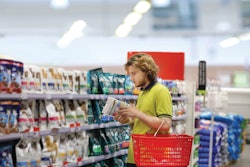
PFLM: Are you ready?
Here’s how pet food label modernization will impact manufacturers and pet food packaging.
Brand Insights
Pet Food Quality: A More Holistic Approach to Food Safety
KEMIN NUTRISURANCE
Learn why addressing microbial risks throughout the value chain is critical to a robust food safety program. Brand Insights from Kemin.
Pet Food Ingredients
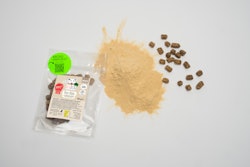
MicroHarvest, VEGDOG launch pet treat with microbial protein
MicroHarvest said its novel protein ingredient emits an estimated two to three times less CO2 compared to plant-derived solutions.
Pet Food News
APPA names pet food leaders to board
American Pet Products Association has named Kevin Frick with PetWise Brands and Josh Patterson with Vital Essentials to its board of directors.
Pet Food Market
Small dogs make big impact on shaping Mexico's pet food industry
A recent report highlights a shift in consumer preferences toward small dogs causing a slowdown in the country's pet food production.
Insect-based Cat and Dog Food
Innovafeed opens insect innovation center in Decatur, Illinois
This is the first step in the company's industrial expansion to North America, which aims to scale up production and commercialization of insect protein in the U.S.
Adventures in Pet Food
Pet food inflation slowly declining, producer prices aren’t
Year-over-year pet food prices showed improvement in March 2024, but increases are still in double digits compared to 2021, driven by higher producer prices.
In Print
April 2024
Subscribe
Digital Edition
Archives
Petfood Forum
Alternative proteins: Crafting a sustainable pet food future
Rich Kelleman will speak on the benefits and challenges of sustainable, alternative proteins at Petfood Forum in Kansas City this month.
Grains and Starches
Nestlé Purina, Cargill partner to reduce dry pet food carbon footprint
Nestle Purina PetCare
Investment in regenerative agriculture is estimated to reduce the carbon footprint of Purina’s U.S. grain supply from Cargill by up to 40% over the next three years.
Pet Food Market
Plant-based ingredient supplier enters pet food market
Green Boy's pet food division will will offer ingredients for dry and wet pet food and for the utilization of all kinds of pet food products.
Pet Food Market
Private label pet food enjoys booming popularity in Eastern Europe
Private labels have acquired nearly a third of the overall value share in Europe, indicating a significant shift in consumer preferences toward more affordable alternatives to branded pet food.
Petfood Forum News
Petfood Forum Europe 2024 tackles opportunities, challenges
Petfood Forum Europe will co-locate with Interzoo for the second time and feature research and insights on the biggest topics for the pet food industry.
Petfood Forum News
Petfood Forum 2024 explores the cutting edge for pet food
During Petfood Forum 2024, industry experts will present on advances in AI, alternative proteins, the microbiome, automation and other hot topics for pet food.
Sponsor Content