Recent Issues I Newsletters I Petfood Forum I Subscribe to Magazine
Login   Sign In I  Sign Up
PetfoodIndustry.com

  • HOME
  • MARKET INFORMATION
  • NUTRITION
  • SAFETY
  • PRODUCTION
  • PACKAGING
  • News
  • Products
  • Petfood and Treats
  • Petfood-Connection.com
  • Industry Calendar
  • Buyer's Guide

  • ArticleMore Images (1)
      • Email this to a friend Email
      • Print Printer
        Friendly
      • Font size: Decrease Font Increase Font
      • Share:Share
      • Share:Share Close
        • FacebookFacebook
        • MySpaceMySpace
        • stumbleuponstumbleupon
        • deliciousdelicious
        • diggdigg
        • newsvinenewsvine
        • linkedinlinkedin
        • mixxmixx

      The science and safety of petfood palatability enhancers

      Recent palatability research, safety recommendations and the latest taste-improving products

      BY Jessica Taylor Release Date: Comments(0)

      More Images

      1109PETpal1 cats-eating

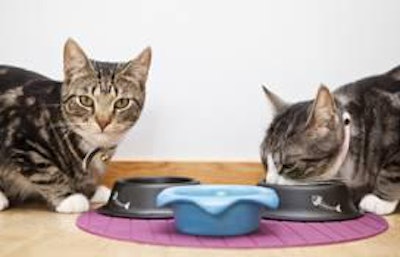
      Many palatability enhancers are tested for efficacy through controlled feeding studies that measure data such as first-bite preference and total consumption.

      Palatability enhancers, as the name indicates, are used to affect taste, smell and texture of petfoods to increase their desirability to companion animals. Palatability is critical for manufacturers to consider when formulating a nutritionally balanced petfood. Foods for dogs and cats can be made more palatable through various means, such as an adjustment in acidity. High-intensity, savory-based palatants that utilize meat, marine, cheese and liver-based ingredients are used for enhancement purposes as well. Palatability enhancers can be used either as the sole palatant in a formula or in conjunction with meat-based enhancers to provide the best value and palatability to the petfood formulator. So, what's out there, what do they promise and what's worth checking out?

      In Kristopher Figge's 2011 Petfood Forum presentation, "Kibble Shape and its Effect on Feline Palatability," the AFB International senior scientist and technical services manager shared some of the palatant company's latest research. Unlike dogs, cats tend to avoid spoilage aromas, while surface texture and size of kibble play a large role in what foods felines find palatable. AFB then researched whether or not kibble shape affected the palatability of dry cat foods.

      AFB researchers used common kibble shapes like the cross, triangle, flat disc and cylinder as the variables in the study. Figge and his collegues found that kibble shape was the primary driver for palatability while texture across a given range was not. The flat disc had mid-range texture scores and was the most preferred shape by cats. The cylinder was outside the range and was least preferred. The highly preferred disc-shape is not only easy to extrude, it is also durable, has less fines than other shapes and also has a greater surface area.

      1109PETpal2 cat-food-study

      AFB researchers used common kibble shapes like the cross, triangle, flat disc and cylinder as the variables in their kibble shape and its effect on feline palatability study.

      Yeast products form the core of the Sensient Bio-Ingredients portfolio of palatability solutions. "In addition to providing a non-specific meaty flavor profile, yeast products also enhance general savory and cheesy notes," explains the company website. "However, a generic yeast product does not work in all applications. We understand the special requirements of low-ash diets, wet as compared to dry foods, baked biscuit and intermediate moisture treats." To maximize the impact of enhancement, Sensient Bio-Ingredients has developed separate brewers’ yeast products for applications in a wide variety of petfood diets, treats and supplements, claims the company.

      All of their palatability enhancers are tested for efficacy through controlled feeding studies that measure both first-bite preference as well as total petfood consumption. All of Sensient yeast products are non-GMO and meet FDA and AAFCO guidelines, says the company. In addition to their palatants, Sensient also has the capability to create high-impact flavors for use in petfoods and pet treats.

      Palatants are no longer an ingredient in just the formulater's bag of recipe tricks. Palatants, flavor enhancers, gravies and toppers can easily be purchased by consumers in most pet stores and online pet merchants. Companies like Flavorhounds and products like Stewart's Pet Food Flavor Enhancers (for dogs and cats) are examples of this trend. DIY palatants appeal to consumers because they can help a picky pet switch foods, add a little flavor to a restricted therapeutic diet or medicated meals and encourage a sick or starving animal to eat. Taste-enhancing products are available in many flavors like bacon and turkey and are available in organic, gluten-free and all-natural varieties.


      Research: Feline palatability and the shape of kibble  

      Take a closer look at AFB's palatability research in Kristopher Figge's 2011 Petfood Forum PowerPoint presentation, "Kibble Shape and Its Effect on Feline Palatability."


       Palatant food safety case study: SPF Excellence Program   

      Palatants make up a low percentage in petfood recipes but generate a high level of dispersion in the petfood chain. On average, according to Loïc Cosquer of SPF, 1 ton of palatant represents 100,000 companion animal meals. This means palatants suppliers have a special responsibility to make sure the products they distribute to the global pet food market are safe. Therefore, SPF Palatants is engaged in a program of excellence in palatant safety based on best practices, risk management, continuous improvement and communication through the supply chain.

      The objectives of this program are to:

      • Enhance palatant food safety in the pet food supply chain;
      • Ensure animal health and welfare (pets) and public health (pet owners and their families);
      • Benchmark requirements to petfood safety management systems; and
      • Improve cost efficiency throughout the petfood supply chain.

      The structure of the SPF Food Safety Management System includes operational teams, responsible for food safety, quality and dependability, in North America, South America, Europe and the Asia-Pacific region. The process of risk analysis is then applied for each palatant product. Risk assessment, hazard analysis and control measures necessary for safe products are all implemented and carried out. Verification plans are applied with sampling protocol. SPF develops means of rapid measurement by near infrared technology (NIR), with sn identification and quantification program of inputs and finished products. According to Cosquer, the traceability system in place assures a result of 100% in less than two hours.

      To learn more about the SPF Excellence Program and the palatant company's portfolio of flavor-enhancers, go to www.spf-diana.com or contact Loïc Cosquer at: lcosquer@spf-diana.com.

      Updated: Feb 01, 2012 This article appeared in Petfood Industry, September 2011. ©Copyright 2012, All Rights Reserved.


      1
      1
      1

      Related Content

      Previous
      Next
      • pet food additives

      • pet food palatability

      • pet food safety

      DSHEA revisited for pet supplements?

      If a 1994 law addressing dietary supplements for humans becomes applicable to animal products, it would shake up the regulatory landscape

      Pet supplements roar!

      The pet nutraceuticals market has been experiencing rapid growth, showing no signs of slowing down.

      Petfood flavoring company AFB awarded for 2011 customer satisfaction

      AFB wins 2011 Experience Award from research agency Integron

      More content about pet food additives

      Petfood flavoring company AFB awarded for 2011 customer satisfaction

      AFB wins 2011 Experience Award from research agency Integron

      Kemin to purchase ADF's petfood technology, equipment

      Deal to close June 30 includes ADF's Missouri, USA, facilities, spray dry technology

      US Secretary of Agriculture Tom Vilsack visits Kemin Industries

      Vilsack told high school students manufacturing jobs, like those at Kemin, are returning to the Midwest.

      More content about pet food palatability

      CNBC to air documentary examining regulation in the petfood industry

      'Pet Food' documentary set to premier Thursday, February 10

      New food safety law impact on imports discussed at Global Food Safety Conference

      600 experts from 40 countries attend international event

      FDA forms Food Safety Preventive Controls Alliance

      Alliance will help petfood manufacturers in complying with new FSMA regulations

      More content about pet food safety
       

      Comments

      0 Comments

      Add Comment

      Text Only 2000 character limit

    1109PETpalStewart pet-food-flavors

    Palatants can now be purchased by consumers in most pet stores and online, like this flavor enhancer for both cats and dogs.

  •  
bg
minimize
minimize
  • Create or Maintain an account

    • Sign Up
    • Edit Your Profile
    • Subscribe to Newsletters
    • RSS feeds
    • Why Register

    Custom Publications

    • Empyreal 75 Update
    • The Extru-Technician

    Digital Editions

    • Petfood Industry
  • Events

    • Petfood Forum
    • Petfood Workshop
    • Petfood Forum Asia
    • Petfood Forum China
    • Webinars

    Help and Information Center

    • Support
    • Petfood Industry Editorial Staff
    • Advertising Contacts
    • Media Guide
    • Article Reprints
  • Newsletters

    • Petfood Industry e-News
    • Petfood Industry Nutrition News

    Digital Directories

    • Petfood Industry Reference and Buyer's Guide

    Social Media

    • Petfood-Connection
    • Petfood-Connection Smart Phone App
    • Twitter
    • Facebook
    • YouTube
  • WATT Corporate

    • About WATT
    • Corporate Contacts
  • © Watt Publishing Co., 2012 All Rights Reserved
  • |Sitemap