Recent Issues I Newsletters I Petfood Forum I Subscribe to Magazine
  Sign In I  Sign Up
PetfoodIndustry.com

  • HOME
  • MARKET INFORMATION
  • NUTRITION
  • SAFETY
  • PRODUCTION
  • PACKAGING
  • TOP PETFOOD COMPANIES
  • News
  • Products
  • Petfood and Treats
  • Petfood-Connection.com
  • Industry Calendar
  • Buyer's Guide

  • Article
      • Email this to a friend Email
      • Print Printer
        Friendly
      • Font size: Decrease Font Increase Font
      • Share:Share
      • Share:Share Close
        • FacebookFacebook
        • MySpaceMySpace
        • stumbleuponstumbleupon
        • deliciousdelicious
        • diggdigg
        • newsvinenewsvine
        • linkedinlinkedin

      How To: Marketing to the veterinary channel

      Prescription and therapeutic petfoods have only been marketed by a handful of brands, but it may be time for new companies to enter the premium veterinary-endorsed arena

      BY Jessica Taylor Release Date: Comments(0)
      Veterinary-marketing-petfood-1205PETveterinary

      Nik_Sorokin | BigStockPhoto.com

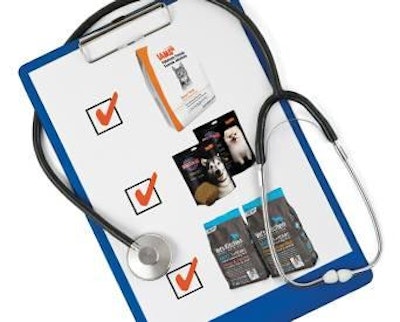
      What do veterinarians want in the petfoods they are willing to recommend to clients, and are you currently offering what they are looking for?

      Petfood diets exist for a variety of medical conditions including heart disease, weight control, diarrhea, kidney failure, diabetes, food allergies, renal failure and cancer. Many are marketed as therapeutic or prescription, but they are always premium foods. Many veterinarians sell non-prescription petfoods along with prescription petfoods as a service to their pet parent clientele. This kind of exclusive marketing of only specific brands of pet food—Hill's Prescription Diets, Royal Canin Veterinary Diets and Wysong Rx Diets, for example—by a veterinarian imply a professional endorsement of that product. Are you missing an opportunity to utilize a partnership with veterinarians to market their good reputations with your consumers while benefitting from shared nutrition knowledge and a chance to educate?

      "When a client purchases any product or service from his or her veterinarian, he or she trusts that the veterinarian has knowledge of its efficacy and safety. Advertisements by the petfood companies and magazine and newspaper columns invariably advise pet owners to “ask their veterinarian” for correct nutritional information," said Marion Smart, DVM, PhD, in a 2007 article in The Canadian Veterinary Journal. In fact, most clients want exactly this kind of recommendation—it can even be the only reason they are seeking advice from a professional in the first place. An appropriate recommendation of your petfood and treats from a veterinarian is of great value in the compliance use by consumers.

      vet-with-family-1205PETveterinary

      lisafx | BigStockPhoto.com

      Consumers with pets want nutrition recommendations from their veterinarians. An appropriate recommendation of your petfood and treats from a veterinarian is of great value in the compliance use by consumers.

      "In the case of specialized, therapeutic or prescription diets, I see no issue whatsoever in veterinarians selling these in their offices," says Bernard E. Rollin, PhD.  "Selling such foods is no more problematic than providing prescription drugs in one’s practice, since they are also available only by prescription. Thus, it is a service to clients to have them available in the practice." Rollin goes on to say, however, that it is ethically questionable to impose nonprescription petfoods on pet parents, as they are more expensive, and no veterinarian should imply that other food products, available in pet stores, groceries and discount stores are not nutritionally acceptable for ordinary use in healthy animals. Creating such an implication could be perceived as an abuse of Aesculapean authority (the unique authority inherent in medical professionals) for purposes of financial gain. "On the other hand," he continues, "having them available in one’s office so that clients may purchase them if they wish to do so is unproblematic if the above caveat is observed."

      So what do veterinarians want in the petfoods they are willing to recommend to clients, and are you currently offering what they are looking for? CVM's petfood specialist William Burkholder, DVM, PhD, recommends veterinarians examine three important parts of the petfood label before recommending a product: the life stage claim, the contact information for the manufacturer and the list of ingredients. The word "feeding" should be in the life stage claim. Only the manufacturer's name and address are required, but Burkholder says the phone number should also always be listed and manufacturers should be responsive; and although the ingredients list on the label is an area of consumer preference and subjectivity, pet owners who do or do not want to feed a pet a certain ingredient can look at the list of ingredients to make sure that particular substance is included or excluded.

      Updated: Apr 15, 2013 This article appeared in Petfood Industry, May 2012. ©Copyright 2013, All Rights Reserved.


      1
      1
      1

      Related Content

      Previous
      Next
      • functional pet food

      • pet food brands

      • pet food market

      Pulses: new ingredients for petfoods?

      With the availability of quality ingredients declining, perhaps we need to explore this category

      Peas in petfood

      The lowly pea appears to be an effective ingredient for the next generation of dog and cat diets

      Carrageenan: for appearance's sake only?

      What is this quiet, unassuming ingredient, and should it be there?

      More content about functional pet food

      Paws with a cause

      Petfood companies who promote their support of causes in their marketing campaigns are staying innovative in these uncertain times

      The Top 10

      Why these companies lead the global petfood industry in sales, growth and innovation

      Three Dog Bakery bounds into pet stores

      The company builds on its boutique business with three new lines for pet stores, including baked dog food and treats

      More content about pet food brands

      Petfood takes a vacation

      Now is the time for packagers, producers, marketers and manufacturers to capitalize on the traveling with pets trend

      Market Report: Down economy a plus for private label

      While petfood shoppers continue to show strong brand loyalty, pet products have not been immune to the store brand swing

      Something to Chew On: Filling the gap

      There's a disconnect between consumers' confidence in petfoods and their knowledge of what makes the foods nutritious

      More content about pet food market
       

      Comments

      0 Comments

      Add Comment

      Text Only 2000 character limit
  •  
  • Create or Maintain an account

    • Sign Up
    • Edit Your Profile
    • Subscribe to Newsletters
    • RSS feeds
    • Why Register

    Custom Publications

    • Empyreal 75 Update
    • The Extru-Technician

    Digital Editions

    • Petfood Industry
  • Events

    • Petfood Forum
    • Petfood Workshop
    • Petfood Forum China
    • Petfood Forum Asia
    • Petfood Forum Europe
    • Webinars
  • Help and Information Center

    • Support
    • Petfood Industry Editorial Staff
    • Advertising Contacts
    • Media Guide
    • Article Reprints

    Newsletters

    • Petfood Industry e-News
    • Petfood Industry Nutrition News

    Digital Directories

    • Petfood Industry Reference and Buyer's Guide
  • Social Media

    • Petfood-Connection
    • Petfood-Connection Smart Phone App
    • Twitter
    • Facebook
    • YouTube

    Nutrition Courses

    • WATT eLearning
    • Customized Training

    WATT Corporate

    • About WATT
    • Corporate Contacts
  • © Watt Publishing Co., 2013 All Rights Reserved
  • |Sitemap

--- Thank you for your patience ----

If you have any issues logging in or any other need feel free to contact us.

loading