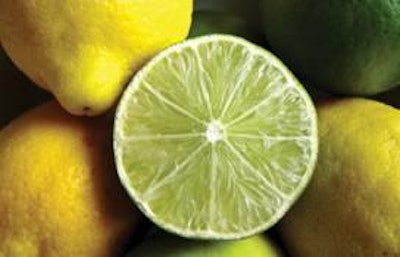
Citric acid occurs naturally in nearly all plant and animal tissues. In our food supply, it is most abundant in citrus fruits like lemons and limes.
In petfood, citric acid is a common additive used mostly in the fat preservative (antioxidant) system. Food and nutrition experts consider this ingredient a natural functional compound, which, at its worst, is benign to pet health and wellness. However, increasingly pervasive internet claims have led some pet owners to doubt its safety and utility.
The least important of these issues is confusion between citric acid and ascorbic acid (also known as vitamin C), but the more insidious allegation implicates citric acid as a cause for “bloat” in dogs. This disease, also called gastric dilatation volvulus (GDV) by veterinarians, is an acute life-threatening condition. So, is there anything to these concerns?