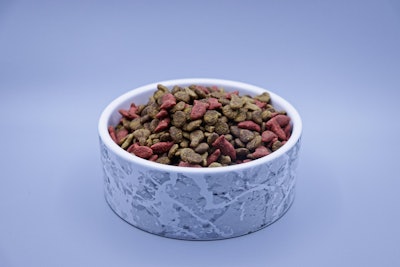
Heat-treated poultry products in sealed containers, including pet food, with an F0 value of 3 or higher, along with extruded dry pet food, can be safely traded regardless of HPAI outbreak status in the production country or raw material source.
Pic_Panther | pixabay.com
With the recent outbreaks of Highly Pathogenic Avian Influenza (HPAI), the Global Alliance of Pet Food Associations (GAPFA) is reminding stakeholders of the safe commodity status of extruded dry pet food and heat treated, hermetically sealed poultry meat products -- including pet food -- with respect to HPAI as these processing methods inactivate the HPAI virus.
As designated by the World Organization of Animal Health (WOAH) and published in the Terrestrial Animal Health Code in 2021, the WOAH recognition provides assurance that heat-treated poultry meat products in a hermetically sealed container -- including pet food -- with a F0 value of 3 or above and extruded dry pet food can safely be traded regardless of HPAI disease outbreak status of the producing country or the country of origin of the raw materials.
This recognition is the result of a thorough scientific evaluation and review of data which showed the processing of pet food that meets the requirements of the Terrestrial Code results in the production of a safe commodity with respect to HPAI. Other commodities, such as fresh cooked and refrigerated pet food, can also be traded safely if cooked in accordance with WOAH time and temperature recommendations (Articles 10.4.17., 10.4.18., 10.4.19., 10.4.24.) to inactivate the HPAI virus.
“A high level of scientific rigor went into the evaluation of the inactivation of the Highly Pathogenic Avian Influenza Virus (HPAI) in extruded dry pet food and in heat treated, hermetically sealed poultry meat products including pet food to meet the conditions in the Terrestrial Code," said Loretta Hunter, GAPFA president. "This assures that pet food meeting these conditions can continue to be safely traded regardless of the disease outbreak status of a producing country."
What is the Terrestrial Code?
The Terrestrial Code is a comprehensive set of guidelines and standards aimed at ensuring the health and welfare of terrestrial animals. It provides a framework for countries to develop and implement effective animal health policies and practices and to facilitate safe international trade in animals and animal products, ensuring that health risks are minimized and that countries can protect their animal populations.
GAPFA works cooperatively with WOAH through their Memorandum of Understanding (MoU). GAPFA first announced a MoU with WOAH (formerly OIE) in 2017, in which the organizations agreed to partner on relevant activities related to setting international standards in pet food safety. The global association maintains strategic partnerships with multiple organizations that share the common goals of promoting pet food safety and nutrition, pet wellbeing and the human-animal bond.
Adapted from a press release.