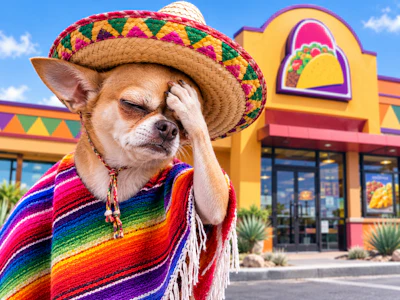
Slapping a sombrero and maracas on a Chihuahua doesn’t make for the ideal representation of Mexican culture. That's not to say that pet food brands can't seek authentic connections with customers by embracing local cultures. Embracing stereotypes…not so much.
Localization should begin with community engagement and a deep understanding of regional cultures, Melanie Torres, senior research analyst at Euromonitor International, told Petfood Industry following her presentation at Foro Mascotas in Guadalajara, Mexico.
"It starts at connecting your brand to the consumer and building that transparency," Torres said. "Consumers already know many brands are imports. The goal is to build familiarity through authenticity."
Rather than relying on broad national symbols, Torres encouraged companies to look at how successful consumer brands create meaningful local connections.
"It's around that authenticity, creating those moments, those experiences, rather than just trying to say, 'Look at this product, it's this flavor,' when it has nothing to do with the flavor," she said.
Asked how companies can avoid appearing culturally insensitive, Torres discussed the pitfalls of cliché marketing.
"The gimmicky stereotypes are what you don't want to emphasize," Torres said. "You don't want to take a blanket approach to Mexico, that's where you get the sombreros, Cinco de Mayo, the Chihuahua. Instead, you want to get local."
She suggested partnering with neighborhood retailers, sponsoring community events and tailoring branding to the specific region where products are sold.
"How can you have events or branding that are very specific and in line with that environment?" she said. "Showing awareness of local trends and practices is much more important than using broad stereotypes."
Finding inspiration from local cuisine
The same philosophy can guide product development. During her presentation, Torres encouraged manufacturers to draw inspiration from familiar foods rather than copying human meals outright.
One example is carne seca, Mexico's traditional air-dried beef. Unlike jerky, which many consumers increasingly associate with Sasquatch and sodium-saturated snacks, carne seca carries a more natural, artisanal image.
"When you're talking about treats, jerky is a more traditional format and it's seen almost as lower quality now," Torres said. "But in Mexico you have a format like carne seca; it's seen as more healthy, more natural, with fewer preservatives."
A dehydrated dog treat inspired by carne seca could create a shared eating occasion between owners and pets without simply imitating human food.
"It's really just dehydrated meat," Torres said. “What are those simple products that already have that familiarity that you can be transparent about? This is something shared, a shared occasion for your pet."
For Torres, successful localization is about making a pet food product genuinely relevant to the communities that buy it. Manufacturers that understand regional traditions, shopping habits and consumer identities will be better positioned to earn trust than those relying on superficial cultural references.