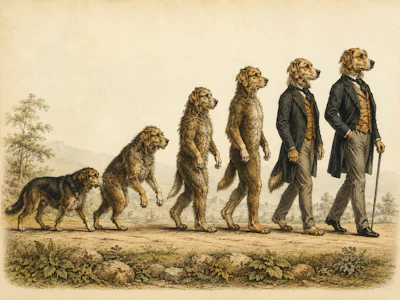
In a world where children languish in hunger and poverty while dogs and cats have prime cuts of meat, health insurance and AI-powered wellness monitors, the humanization of pets seems to run parallel to the dehumanization of people.
Humanization and premiumization have driven increasing pet food sales value, but have the trends cost a premium of humanity? While pet companionship has observable benefits on human mental and physical health, too much of a good thing is possible. As opposed to fur babies, companion animals may become fur egos as pet owners project themselves onto their pets. These interspecies attachments may distance one from other people. Exploring the psychological phenomena of humanization may help pet food makers better understand pet owners buying habits, along with how the bond between pet and owner can go too far.
Why owners humanize pets
Pet humanization is often viewed through a marketing lens, but psychologists say the phenomenon is rooted in fundamental human needs.
“Pets are often an essential part of people's lives, providing both physical and psychological support that helps to alleviate emotional problems, lower levels of stress, and provide an added sense of companionship to their owners,” said Dr. Max Doshay, PsyD, clinical psychologist and co-founder and chief executive officer of KMN Psych.
According to Doshay, pets help fulfill emotional needs including “a sense of belonging, caregiving, and safety through being emotionally secure.” They can also become an emotional anchor for people experiencing loneliness or social isolation.
Dr. Shannon Franklin, licensed psychologist at Element Q Healing, sees similar motivations.
“For many people, pets provide emotional support in the form of friendship, routines, love and unconditional approval,” Franklin said. “As such, these relationships may be particularly significant when individuals experience isolation, loneliness, stressful situations or other changes in their lives.”
She added that caring for an animal offers more than companionship.
“While caring for an animal is often seen as an act of nurturing (or being emotionally attached), it is also an opportunity for individuals to find emotional stability and develop a sense of self.”
When attachment becomes overattachment
Both psychologists emphasized that strong emotional bonds with pets are generally healthy. Problems emerge when pets become substitutes for human relationships.
“There are concerns when an individual's pet(s) become their sole or main source of emotional connection,” she said. “Therefore, instead of developing human relationships that bring people joy, individuals develop unhealthy attachments (over-attachments), and their ability to function in daily life is impaired.”
According to Franklin, overattachment can also contribute to “increased levels of guilt, anxiety, and unrealistic expectations placed upon the animal.”
“If emotional dependence upon a pet replaces the need for human interaction or prevents someone from functioning normally within society, then this could indicate over-attachment to a pet,” Doshay said.
Are owners projecting themselves onto their pets?
The influence of personal values becomes particularly visible in pet food purchasing decisions.
A survey of 8,823 pet owners published in Frontiers in Veterinary Science found that owner demographics and personal dietary habits significantly influence feeding practices. More than half of vegan dog owners surveyed fed their dogs a vegan diet, compared with just 2.53% of omnivorous dog owners. The study also found that younger owners were more receptive to plant-based and insect-based diets than older consumers.
Doshay said feeding decisions are often tied to personal beliefs.
“Many pet owners make dietary and feeding-related decisions based upon a belief system they have created for themselves with respect to animal ‘health,’ ‘wellness’, and ‘ethics,’” he said. “Such decisions are often made with good intentions of providing their animals with the highest quality of life possible.”
At the same time, he cautioned that these decisions can be influenced by “emotional marketing and/or other non-scientifically-based wellness trends.”
Franklin expressed a similar concern.
“The way many pet owners make purchasing decisions is due to emotional messaging, branding, and human wellness trends rather than scientific studies of what type of food provides optimal animal nutrition,” she said.
She pointed specifically to claims such as “Organic”, “Grain Free” and “Human Grade.”
“People tend to take their own dietary philosophies and apply them to their pets with little regard to species-specific nutritional requirements,” Franklin said.
Why some people prioritize pets over broader social issues
The emotional intensity of the human-animal bond can also create difficult ethical questions. Why do consumers spend thousands of dollars on pet care while showing less engagement with human social problems?
Franklin believes the answer lies partly in psychology.
“People tend to develop an emotional bond with things in their lives that are tangible and within their control,” she said. “Pet owners receive instant emotional responses from pets and have a sense of obligation and attachment that is personal and manageable.”
By contrast, she said many social issues feel overwhelming.
“Many human social issues appear as being beyond individual capacity, either too political, too distant emotionally, or simply too large for people to fully engage with their concerns for these issues.”
The sustainability challenge for pet food
The same emotional forces shaping consumer behavior are influencing ingredient preferences.
The Frontiers in Veterinary Science survey found that pet health was the most important factor influencing food selection. Sustainability ranked far lower. Many respondents also viewed high meat content as an important indicator of quality.
This creates a challenge for an industry increasingly focused on environmental performance. Demand for premium muscle meat ingredients can conflict with efforts to maximize the use of animal by-products and reduce resource consumption.
Psychologists argue that emotion itself is not the problem. The challenge is helping consumers balance emotional attachment with evidence-based decision-making.
“Yes, anthropomorphism can lead pet owners at times to misinterpret some of the behaviors of animals naturally, and as a result, make decisions that will be detrimental to their well-being,” Franklin said.
Examples include “feeding diets for pets that are nutritionally inappropriate, inhibiting instinctual behavior in pets, or assuming pets will act based on our own emotional responses.”
Balancing emotion and science
For pet food manufacturers, the takeaway may not be to fight pet humanization but to understand it.
“The pet industry can provide consumers with balanced education and transparency about its products,” Franklin said.
She argued that successful companies will look beyond purely emotional marketing.
“A company's long-term relationship building with its customers will have been fostered by demonstrating commitment to both animal welfare and the environment rather than just using emotionally appealing tactics.”
The pet food industry faces a balancing act. Consumers increasingly want products that reflect their identities, values and emotional connections with their animals. At the same time, manufacturers must address nutritional science, sustainability and animal welfare.