A meme I saw on LinkedIn today resurfaced the 2005 story of how billionaire Johan Eliasch acquired 400,000 acres of Amazon rainforest in Brazil through a logging company only to stop logging operations and preserve the forest in perpetuity through the Rainforest Trust. Besides a well-needed dose of good (albeit dated) news, the meme brought up a way that pet food companies, equipment manufacturers, packaging makers and ingredient suppliers can manifest their sustainability goals.
Pet food companies often talk about sustainability through packaging, energy use and responsible sourcing. A more direct option involves buying or financing the protection of threatened land in the regions that supply ingredients, raw materials or other inputs.
For pet food companies, the most practical path may not be direct ownership. In many countries, conservation works best through local nonprofits, Indigenous groups or community landholders.
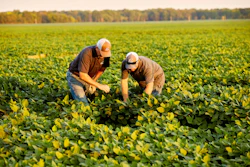
For example, ADM expanded its regenerative agriculture program through a new partnership with Hill’s Pet Nutrition that will support sustainable farming practices across corn and soybean acres in the U.S. and Europe.
Earthborn Holistic Pet Food has planted more than 1 million trees in deforested areas worldwide through its UPCs for Trees program, launched in 2009 in partnership with Trees for the Future.
Fera Pets, a veterinarian-created supplement brand, supported reforestation and community tree planting projects through a partnership with Arbor Day Foundation.
One can even save the Earth piece-by-piece. World Land Trust uses a “Buy an Acre” model in which small donations support local partners that purchase and manage priority habitat.
The value of biodiversity hotspots
According to research published in the journal Nature Communications, protected areas were 33% more effective at reducing habitat loss than comparable unprotected areas, though effectiveness varied by location. Similarly, results published in PLOS Biology documented how conservation planning improves when both costs and ecosystem benefits are mapped together, because the cheapest land is not always the most valuable biologically. However, by selectively protecting valuable habitat for charismatic species, an umbrella effect can conserve a whole ecosystem.
For example, in one of the most biodiverse nations, Brazilian pet food company PremieRpet supported the Jaguar Parade, an art and conservation initiative in Rio and Paris that raised money for nonprofit jaguar protection groups including Panthera and Onçafari. Jaguars require large territories and diverse ecosystems to thrive, meaning their conservation ensures the preservation of vast landscapes, from tropical forests to wetlands. These habitats are home to countless other species, many of which are threatened or endangered.
The strongest biodiversity-per-dollar opportunities are likely in tropical forest countries where land prices remain lower than in North America or Western Europe and where species richness is high. However, in the U.S. or Europe, this model could also work through conservation easements, habitat banking, regenerative agriculture partnerships or forest carbon programs rather than large-scale rainforest purchases. Pet food companies or ingredient suppliers could buy marginal farmland, degraded forest or wetlands near sourcing regions and place the land into permanent conservation agreements while still allowing limited sustainable use, such as tourism.
Conservation in the US and EU
In the U.S., federal conservation programs such as the Conservation Reserve Program and various state tax incentives can offset costs for restoring grasslands, wetlands and wildlife habitat. Europe offers similar opportunities through the European Union’s Common Agricultural Policy, biodiversity funding initiatives and emerging carbon farming programs. Companies could also partner with land trusts or conservation nonprofits to restore pollinator habitat near crop-production areas tied to pet food ingredients such as peas, grains or vegetable oils.
Beyond tax deductions and carbon credits, the economic return could come from reduced supply-chain risk, stronger sustainability claims, future ecosystem-service markets and protection against tightening environmental regulations in both North America and the European Union.
Speaking of which, the late media entrepreneur Ted Turner offers a strong example of land acquisition tied to conservation goals in the U.S. Through Turner Enterprises, he assembled more than 2 million acres of ranchland across several states. Much of that land has been managed with a focus on grassland restoration, wildlife conservation and bison reintroduction. Turner supported the return of large bison herds on Western rangelands while also operating commercial ranching and ecotourism businesses. His model demonstrates how private ownership of grasslands can combine conservation with long-term economic activity, including sustainable livestock production, hunting leases, tourism and carbon-storage potential.
For pet food companies, a similar approach could involve acquiring or partnering on native prairie, grazing land or wetland restoration projects tied to beef, lamb or poultry supply chains, particularly in regions where habitat loss threatens pollinators, water quality or soil health.