Pet food purchasing has become a visible expression of identity, values and lifestyle, and that shift is changing how brands approach everything from product development to packaging and retail presentation. Today’s pet owners are making food choices that say as much about who they are as how they care for their animals, Kyle Banahan, chief executive officer of Jinx, told Petfood Industry.
Pet owners increasingly see themselves as stewards of another family member’s health, a mindset that elevates the importance of food decisions. Banahan described pet food as an “incredibly consequential purchase,” comparing it to decisions parents make when buying food for infants. What goes into the bowl signals priorities around wellness, ingredient integrity and intentional living, and those signals are often visible to others in the household and beyond.
As a result, pet food has become a form of identity and values signaling. Brands are no longer competing solely on nutritional adequacy or price, but on what they represent. Pet owners are using food choices to communicate that they care about quality, transparency and modern wellness concepts, similar to how they curate their own diets.
“Pet owners want products that feel modern, intentional, and familiar in the same way their own food does,” he said. “They’re drawn to brands that look clean, understandable, and human-adjacent rather than overly technical or old-school.”
This shift is forcing brands to rethink product development. Banahan said successful innovation now requires balancing nutritional performance with philosophy. Products must not only work, but also stand for something clear and relatable. That includes defining who the product is for, what values it supports and how it fits into a pet owner’s daily life.
Design, packaging and visual branding play a central role in that communication. Banahan noted that pet food is no longer viewed as a purely functional purchase. Instead, it is emotional and visual, influenced by the same cues that guide human food choices. Clean design, modern photography and straightforward claims help products feel familiar and trustworthy, while overly technical language or dated aesthetics can signal that a brand has not evolved with its audience.
Lifestyle cues such as simplicity, transparency and relatability are resonating most strongly. Packaging that clearly communicates ingredients, benefits and use cases, without overwhelming shoppers, helps build trust quickly. According to Banahan, visual clarity is closely tied to credibility. If a consumer can immediately understand what a product is and why it matters, the brand has cleared a critical barrier.
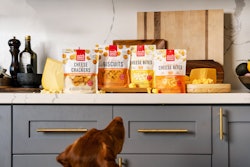
There is also a strong desire for products that visually fit into the home. Packaging that looks appropriate on a kitchen counter, rather than something to hide away, reinforces perceptions of quality and confidence. That visual alignment supports the broader humanization of pet food, where products are expected to resemble human food in both form and presentation.
Marketing strategies that appeal to pet owners’ self-identities
These expectations are influencing merchandising strategies as well. Brands must consider how products appear on shelf and online, and how easily shoppers can understand relationships between items. Pet owners want intuitive guidance on how to use products together and how they support individual needs, without requiring extensive research or explanation.
Banahan said this has contributed to growing demand for flexibility and optionality. Rather than switching brands, pet owners want to customize meals through different formats and complementary products. That approach mirrors how consumers think about their own meals, blending consistency with variety and convenience.
The rise of identity-driven purchasing has also raised the bar for transparency. Pet owners expect ingredient lists and benefit claims to be understandable and relevant, not buried in complex language. Banahan pointed to a persistent gap between what consumers say they want and what many legacy products deliver, particularly when labels feel confusing or disconnected from modern expectations.
“Brands can close that gap by focusing on clarity and relevance rather than trying to do everything at once,” he said. “Start with the core, improve the base product, communicate it well, and build trust over time. Consistency, responsiveness, and a willingness to evolve alongside the consumer matter more than chasing every new trend.”
As pet parenting continues to evolve, Banahan believes brands that understand pet food as a reflection of identity, not just nutrition, will be best positioned for long-term growth. Pet owners are not only feeding their animals; they are expressing who they are and how they care. Brands that recognize and respect that reality may reshape the future of pet food branding and merchandising.