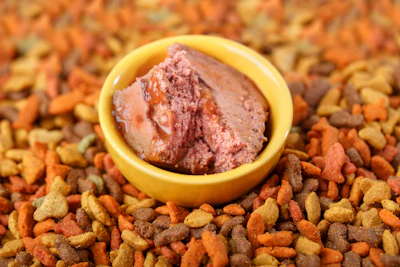
The pet food industry is seeing rapid growth in the high-moisture segment, but that brings unique food safety and shelf-life challenges that can be tackled with consumer-friendly preservation techniques, according to Jasmine Kataria, senior R&D scientist at Kerry.
Kataria spoke April 28 during the 2026 Petfood Forum in Kansas City, Missouri, U.S.
“High moisture is great, but high moisture also means high risk,” she said.
The growth of the high-moisture pet food segment is seen particularly in fresh, cooked and raw options. High-moisture products typically contain more than 60% moisture. However, higher water activity supports the rapid growth of spoilage microorganisms, predominantly lactic acid bacteria, which leads to off odors, gas production and textural degradation – all of which affect quality.
Additionally, high-moisture products are heavily dependent on the cold chain, refrigeration or frozen storage to maintain safety and stability from production to consumption.
“High moisture systems are some of the most challenging when it comes to managing shelf life,” Kataria said.
Adding to the challenges is that shelf life of these products is relatively short – typically 7 to 21 days.
“This limited window puts immense pressure on production, distribution and retail,” Kataria said.
Freezing extends shelf life but adds logistic complexity and cost, she added.
Food safety hazards in high-moisture pet food
Raw pet diets often harbor pathogens such as Salmonella, Listeria and E. coli, while fresh-cooked products are susceptible to post-processing contamination. There is also a risk of cross-contamination during preparation and feeding, such as on kitchen surfaces, bowls and the hands of the people preparing the food.
In the event of a recall as a result of these pathogens, there comes supply chain disruption, financial and brand damage, and risks to pet health.
“This is when the importance of microbial preservation comes into place,” Kataria said.
Microbial preservation is fundamental to improving food safety, consumer appeal, shelf life, supply chain and brand integrity.
“When the preservation is done right, it extends the product’s freshness, protects against spoilage and gives consumers peace of mind that their pets are safe,” Kataria said.
Traditionally, many preservation strategies have leaned heavily on processing methods such as high-pressure processing (HPP) or thermal treatments.
“But those methods, they can not only be resource intensive, but they also may not be sufficient alone in achieving the desired safety control,” Kataria said.
Growing interest in ingredient-based solutions
Adding ingredient-based solutions to processing can offer effective microbial control, lower environmental impact and, often, result in better product palatability.
Customer-friendly ingredient-based preservation techniques such as peptide fermentation can achieve these results while satisfying the customer, Kataria said.
“Consumers today are more informed than ever. They walk into the stores, they expect transparency, simplicity and products that reflect the same values that they hold for their own food – that is, clean, safe and trustworthy,” she said. “Today, it’s no longer about feeding pets. It’s about feeding them with a purpose. Consumers want to be confident about every ingredient that goes on the label.”
According to a 2021 consumer survey by Kerry, 90% of pet owners believe it is important to read ingredient labels before purchasing a pet food or treat, 86% of pet owners are more likely to purchase a pet food or treat if they can recognize most ingredients on the label, and 1 out of 3 are willing to pay 25% more for pet food or treats that only include recognizable ingredients.
Beyond ingredients, consumers are also concerned about food safety and waste. According to the same survey, 82% of pet owners are concerned about the safety of their pet’s food, while 25% of traditional wet food shoppers and 44% of fresh food shoppers throw away at least 10% of their pet’s food because it expired or is no longer suitable for consumption. Almost all – 97% – of fresh food shoppers are concerned about the safety of their pet’s food.
Because ingredients are so important to the consumer, the pet food industry needs consumer-friendly preservation, Kataria said.
“It’s more than just clean labels today. It’s transparency, it’s alignment with consumer values, and delivering functional benefits without synthetic additives,” she said. “As the industry evolves, the goal is to meet the pet parent where they are, offering them solutions they feel good about using and feeding day after day.”