Dehydrated meat-containing foods have become popular in the pet food aisle in the last few years. They seem to be positioned counter-opposite to conventional extruded pet foods and as an alternative to raw foods for the nutrition-conscious or very high-involvement pet owners. To produce these foods and treats there are two basic approaches—one involves heat and the other cold. The heat-based technology includes spray-drying, drum-drying, solar-drying and convection-drying and will be covered in future articles. The cold process is lyophilization (a.k.a. freeze-drying) and has been around since the 1940s.
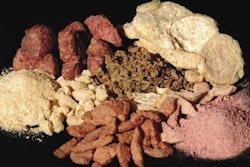
There are a couple of approaches in which freeze-dried meats are included in pet foods. One is to freeze-dry the meats and other ingredients separately and then mix them together. The second is to mix the wet meats and other ingredients together and then freeze-dry the total blend. Each allows for the removal of moisture without the use of heat, avoids degradation of intrinsic heat-labile components and maintains a convenient food format. While all of the ingredients in the food may be freeze-dried, the meats are the primary high-value target. The companies that produce these foods are attempting to leverage consumers’ perceptions regarding the negative effects that conventional processing might have on the meats and co-products used to produce them. But is there any evidence to support the perception that freeze-dried meat products are in some way better?