Issues with the broader supply chain have been a constant in the news since early in 2020 with the onset of the COVID-19 pandemic and have not yet abated. Issues with the supply of ingredients for pet food have not been any different. For example, egg, chicken, turkey and pork supplies have all been disrupted at some point over the past 18 months. This has sent ripples through the market with raw material shortages and resulted in short-shipped orders and periodic empty shelves for some finished goods. In these circumstances, the concepts of “just-in-time” and “limited reserves” were a liability as supplies tightened and logistics/transportation became fragmented.
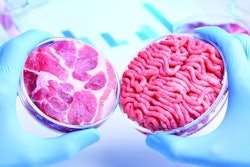
This may be a harbinger of the future. The supply chain for pet food ingredients may have longer-term challenges as it pertains to protein. The world’s population is increasing. By some estimates, the global population will exceed 9 billion people by 2050. This will place a significant strain on our (including pets) food resources. In some cases, there will be a need for humans to shift food choices to those that are more land/sea efficient. The production of meat, milk, eggs and fish will need to increase, and animal production practices will need to keep pace. By one estimate, animal production will have to increase by 73% or more. Given no additional land mass is available and the wild caught fish in the oceans are at a maximum capacity already, alternative protein sources and more intensive production practices may be necessary.