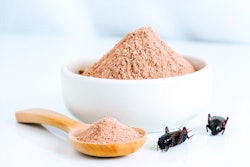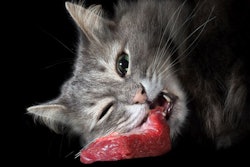
Wild canids like the wolf voluntarily eat insects as a small portion of their diet. Further, most pet owners have seen their dog eat a cicada or chomp down a fly, and one can’t miss the delight of their cat tormenting and then eating a spider. So, the idea of insects in pet diets is not all that far-fetched. Today, what is being evaluated is a more commercial production of insects as an alternative biomass to conventional proteins from animal and plant sources. The long-term need is to augment conventional proteins as supply continues to tighten with global population growth. This is something we need to embrace for sustainability of pet food.
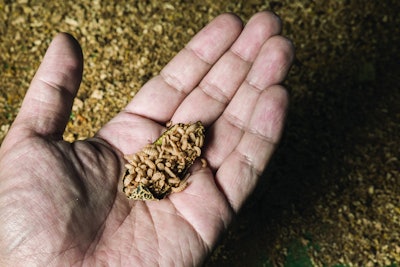
The topic of insects as a pet food ingredient has been in the news for a couple of years now. The pet food industry in Europe launched several products in 2015. In the U.S. it has been a bit more delayed, mostly due to the regulatory process. Recent approval for black soldier fly larvae oil and meal (T33.29 and T60.117) in adult dog food published in 2019 (AAFCO) has changed that. So, use of ingredients/organisms like black soldier fly larvae are now in the ingredient toolbox with several companies announcing the launch of new products based on these ingredients.