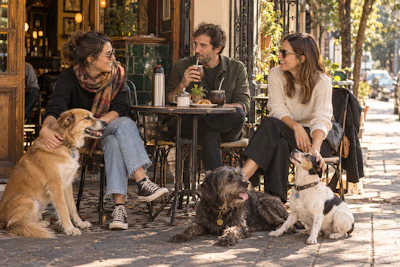
It’s a familiar story worldwide. As pets become more deeply integrated into family life, Latin American pet food companies face opportunities to develop premium products that meet rising expectations for nutrition, longevity and individualized care, according to Magdalena Ferreira of Mars.
Speaking at CIPAL in Buenos Aires on Sept. 23, Ferreira described how changes in the relationship between people and their pets are influencing purchasing decisions and expanding the industry’s responsibilities. Younger generations increasingly view pet ownership as a form of parenthood, she said, with implications for everything from product development to quality standards.
“If the pet is a member of the family, I want it to live a long time,” Ferreira said.
That expectation creates demand for formulations, services and other offerings that support pets throughout their lives. It also changes what owners expect from manufacturers, as feeding becomes part of a broader interest in nutrition and well-being.
Ferreira illustrated the evolution by describing a dog’s movement from the yard to the porch, then into the living room and eventually onto the bed. As pets move closer to their owners, the expectations surrounding their care increase.
She said younger consumers, including Generation Z and millennials, are helping drive this shift. Their relationships with pets influence decisions beyond food purchases, including where they travel, dine and spend leisure time.
For the pet food industry, these changes make understanding owners’ daily routines and expectations increasingly relevant to developing products.
Cats and mixed-pet households influence product development
Ferreira identified growing cat ownership as another opportunity. She described cats’ perceived independence as appealing to people who work outside the home and worry about leaving a dog alone.
However, she said cats also present challenges for manufacturers because of their food preferences and selectivity. Meeting those expectations requires continued attention to product development and variety.
Households with both dogs and cats offer another area for innovation. Ferreira encouraged the industry to consider how living with both species changes owners’ needs and the products and experiences companies can offer.
The opportunity extends to recognizing differences among individual pets. An animal living in an apartment may have a different routine from one living in the countryside, she said. Those distinctions should inform how companies approach nutrition and services.
In Argentina, Ferreira described dry food as the dominant format while identifying wet food and treats as areas of growth. She also noted a larger role for wet food in the cat category, connecting the opportunity with cats’ selectivity and interest in variety.
Humanization raises expectations for science and quality
Although human consumer trends can influence pet product demand, Ferreira cautioned against assuming that a trend’s popularity among people establishes its suitability for animals.
“Not everything that works for a human works for pets,” she said.
She emphasized the need for scientific knowledge of canine and feline nutrition when responding to changing consumer interests. The industry’s responsibility is to develop products appropriate for animals while addressing owners’ expectations.
“Today, the pet parent is much more informed,” Ferreira said.
As owners take a greater interest in feeding and care decisions, she said veterinarians and specialist retailers play an important advisory role. Access to knowledgeable guidance becomes part of the broader offering surrounding a product.
Ferreira also linked the growing emotional importance of pets with higher expectations for product safety and quality. Companies need to evaluate emerging opportunities against those responsibilities.
“Science and quality are very important,” she said.
Alongside innovation, Ferreira identified education, responsible pet ownership, access to the category and sustainability as industry priorities. Her presentation positioned growth as a response to changing household needs, with science and quality underpinning the products developed to meet them.
Quotes were translated from Spanish.