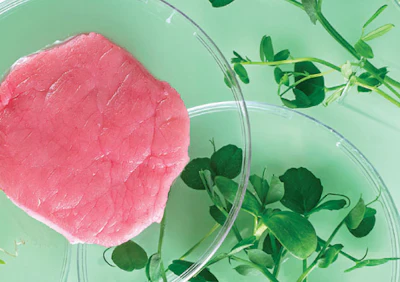
The regulatory environment for cell-cultivated meat in the U.S. remains marked by a complicated mix of federal and state rules. In 2023, the U.S. Department of Agriculture (USDA) had given the green light for the sale of cell-cultivated chicken for human consumption and, working together with the U.S. Food and Drug Administration (FDA), had established a framework to regulate these products as they come to market.
However, as we addressed before (“Navigating the legal landscape of cell-cultivated meat in the US,” Petfood Industry magazine, November 2024), oversight is not limited to the federal level — many state governments have continued to propose or pass laws that require specific labeling for cell-cultivated products or, in some cases, prohibit their production and sale entirely. This patchwork of regulations presents considerable difficulties for companies in the sector, as they must comply with both federal requirements and a range of varying state laws while also assessing whether those restrictions could reach pet food (depending on how each statute defines “food,” “meat” or “cultivated” products).