Product consistency, texture and uniformity are important to consumers. They foster confidence regarding safety and promote repeat purchase. Given the variable nature of ingredients and the complexity of the manufacturing process, creating that consistency for the manufacturer can be a challenge. The industrial size, scale and scope complicate matters, as well.
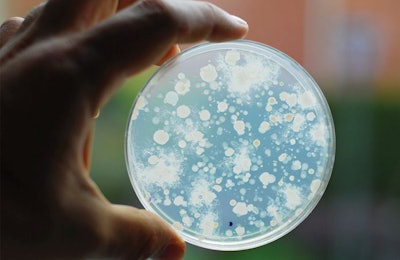
In canned pet foods, this need for consistency is part of the reason we have to use food additives like gums and gels to help improve viscosity and structure of the product. Customers expect it and pet food companies deliver with judicious use of hydrocolloids. These additives create a gel at a low concentration, perform consistently and require minimum amounts of additional inputs (e.g., minerals or other pH modifiers). The stability of the loaf can be created with starches (e.g., corn) but these often take extensive cook time to create the desired viscosity and final product texture. So most pet food companies use a gel like carrageenan, xanthan or others. Carrageenan has been criticized unnecessarily for health issues and xanthan falls in a gray area for use. Thus, alternatives are being explored and agar-agar could be one of them.