Mars Pet Nutrition research identifies five key advances in dog nutrition science, including the importance of gut health, vitamin D supplementation, proper puppy nutrition with higher protein and fat requirements, sustainable alternative protein sources like insect protein, and preventive dental care to reduce gum disease in dogs.
- Gut health is critical: Prebiotics, probiotics, and postbiotics now support the canine microbiome and overall wellbeing.
- Puppies need specialized nutrition: Puppies require up to 3.5 times more protein and twice the fat of adult dogs, yet 53% of owners switch to adult food before 12 months.
- Dogs require dietary vitamin D: Unlike humans, dogs cannot produce vitamin D from sunlight and must get it from complete, balanced food.
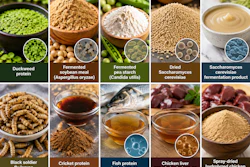
- Insect protein is sustainable: Insect-based pet food provides high-quality protein with a lower environmental footprint than conventional sources.
- Dental health matters: Four in five dogs over age 3 have gum disease, which can be prevented with proactive dental hygiene and proper nutrition.
With over one billion pets globally, we’re a pet obsessed world, and pet parents care deeply, with 37% considering their pets the most important thing in their lives. Yet, according to Elisabetta Pierangelo, global vice president of research and development at Mars Pet Nutrition, 53% of dog owners switch their puppies to adult food before 12 months of age, despite veterinary guidance that some dogs may require puppy nutrition for longer.
Pierangelo shared five ways advances in nutritional science are changing our understanding of what dogs eat.
1. Gut health is key to a dog’s overall wellbeing
Gut health has become a growing area of focus in dog food formulation, with research into the microbiome showing how microorganisms in the digestive system affect overall health, Pierangelo said.
2. Dogs can’t get their Vitamin D from the sun
3. The special needs of puppies
Puppies require up to 3.5 times more protein and twice the fat of adult dogs, along with specific levels of omega-3 and omega-6 fatty acids that support brain and vision development, Pierangelo said.
"Consumer research from Mars found that 53% of dog parents are switching their puppy onto adult food before 12 months, despite veterinarians recommending the switch once a puppy has reached its expected adult size, which can take up to two years in larger dogs," she said. "If puppies do not receive food that provides all essential nutrients in the correct amounts, they may develop nutritional deficiencies that can lead to poor growth, weak bones, and other health problems."
4. Alternative protein sources
Alternative protein sources are also being developed for pet food to address ingredient accessibility and sustainability. "Once considered a niche ingredient, insect protein is gaining momentum as a nutritious and more sustainable protein source," Pierangelo said. "Backed by growing scientific research, insect-based pet food provides dogs with high-quality protein while offering a lower environmental footprint than many conventional protein sources, making it an exciting area of innovation in modern pet nutrition.
5. The science behind a healthy smile
An estimated four in five dogs over age 3 have gum disease, Pierangelo said.
"Scientific findings have shown that gum disease in pets develops gradually and may be prevented with proactive dental hygiene habits," she explained. "When gum disease becomes severe it may affect a dog's overall wellbeing."
Pierangelo tied these findings to International Dog Day.
"International Dog Day is a great reminder of just how much our dogs enrich our lives," she said. "It's important that we never stop being curious about how we can enrich theirs. By combining the latest nutritional research with expertly formulated recipes and continuous innovation, we're able to develop nutrition that supports dogs at every stage of life."