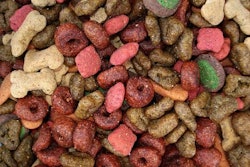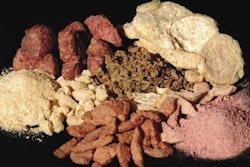
Duck has become a very popular ingredient in many cat and dog foods, especially novel protein and limited-ingredient diets. Duck and Rice, Duck and Potato or Sweet Potato, and Duck and Oats seem to be the most common pairings for dry, canned and treat products in this category. From a processing and nutritional perspective, one might be tempted to consider duck as a surrogate for chicken and turkey. However, we have to extrapolate from the few studies in human foods and a couple for “prey” diets to understand how duck might perform in pet foods. Then there is the question of whether duck functions in the way pet owners expect.
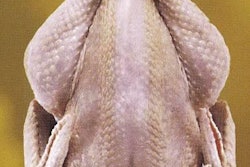
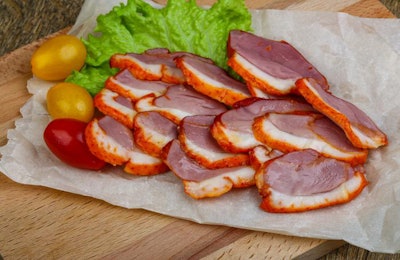
For starters, duck meat is different; like pork tried to reposition itself as the “other white meat” in the 1990s, one could say duck is “the other red meat.” Not to run afoul of the beef industry, but it is important to note that duck is not a 100% white fiber meat like chicken. Rather, it has higher red muscle fiber (over 80%) in the breast and should be considered a red meat, according to Smith et al. (1993). This translates into higher oxidative metabolism and quite possibly higher TBARs (measure of oxidation), and means it may behave differently than chicken as it relates to flavor, oxidation and shelf-life; and could impact the required dose and type of preservatives to provide the desired stability.