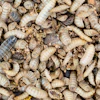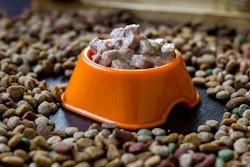
The now-entrenched humanization of pets is seen as the calling card of most current pet food trends, not the least of which is the growth of functional demands by pet owners. It used to be enough to tend to the nutrition of animals; now, pet owners expect any number of health and wellness attributes of the food and treats they give their furry companions, as well as tangential benefits such as sustainability.
“The humanization of [pets and] pet foods have driven greater demand for functional ingredients that pet owners perceive as healthy for themselves and their pets,” said Elisa Louis, vice president of marketing for organic and non-GMO ingredient supplier Smirk’s. “This includes a growing interest in organic ingredients, sustainably sourced components and sustainable packaging solutions. Pet food buyers are increasingly seeking ready-to-eat bulk ingredients that have undergone pathogen-killing processes like roasting, heat-treating or steam sterilization to minimize the risk of foodborne illnesses. Additionally, there is rising interest in regenerative organic ingredients and plant-based proteins for pets, reflecting broader trends in sustainability and alternative protein sources.”