Ivy Farm Technologies has received UK regulatory approval to supply cultivated wagyu beef as a pet food ingredient, marking the company's first commercial route to market for its lab-grown meat produced from wagyu cow cells without slaughter.
- Regulatory milestone: UK's Defra and APHA approved Ivy Farm's cultivated wagyu beef for pet food, enabling commercialization at its Oxford facility.
- Superior digestibility: Independent testing showed 98% protein digestion in cultivated wagyu compared to 91% for beef and 72% for chicken.
- Dogs prefer it equally: Blind taste tests by Fold Hill Foods found dogs accepted cultivated wagyu treats as readily as conventional beef treats.
- Environmental benefits: Life-cycle modeling indicates cultivated beef at scale uses 95% less land, 78% less water, and produces 92% fewer emissions than conventional beef.
- Timeline: Commercial-scale production begins early 2027, with European pet food approval pending and human consumption approval underway globally.
Ivy Farm Technologies, a U.K.-based cultivated meat company, has received its first regulatory approval to supply its cultivated wagyu beef as an ingredient for pet food in the United Kingdom.
The approval followed a review process with U.K. regulators, including the Department for Environment, Food & Rural Affairs (Defra) and the Animal and Plant Health Agency (APHA).
With the approval, Ivy Farm can offer its cultivated wagyu to the U.K. pet food market and begin commercializing the ingredient at its facility in Oxford, England. The company will supply it as an ingredient to pet food brands and manufacturers.
“This approval opens up pet food as a route to market for our cultivated wagyu," said Harsh Amin, CEO of Ivy Farm. "It puts our Oxford facility to work and gives pet owners and the brands they buy from a premium, nutritious and more sustainable option. Cultivated wagyu delivers the taste of one of the world’s most prized meats, and we look forward to working with pet food partners in the U.K. and Europe as we scale up.”
How the ingredient is made
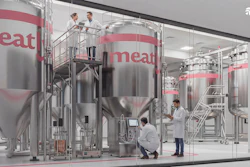
Ivy Farm’s cultivated wagyu is grown from cells taken through a biopsy from a single, individually registered F1 wagyu cow, without slaughter. The cells are grown in bioreactors in a controlled environment and fed a serum-free nutrient medium, then harvested and formulated into an ingredient.
“Pet owners want to know exactly what goes into their pet’s bowl, and the best brands are looking for ingredients that deliver on nutrition, taste and provenance," said David Pytches, head of sales at Ivy Farm. "Our cultivated wagyu offers all three, and we’re talking to pet food brands and manufacturers about how it can help them stand out. We’re keen to work with any brand or manufacturer that puts quality first and wants to help build this market as we bring cultivated wagyu to commercial scale.”
Digestibility and palatability testing
According to Ivy Farm, the ingredient is lean, contains vitamins and minerals, and is produced without antibiotics. Independent in vitro testing found that 98% of the protein in the cultivated wagyu was digested, compared with 91% for beef and 72% for chicken, the company said. Ivy Farm added that initial results suggest the ingredient may also benefit gut health.
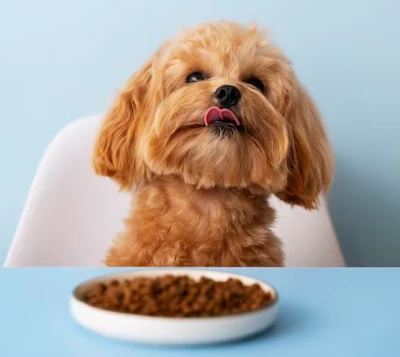
In a small-scale, blind A/B assessment conducted by U.K. pet food manufacturer Fold Hill Foods, dogs accepted a treat made with Ivy Farm’s cultivated wagyu as readily as a conventional beef treat.
“At Fold Hill Pet, we pride ourselves on staying up to date with new innovations that may benefit our partners,” said Ben Mankertz, managing director of Fold Hill. “As such, we were keen to see how Ivy Farm’s cultivated wagyu would perform against the premium treats dogs already know and love. In our blind side-by-side assessment, the dogs simply didn’t distinguish between the two.
"That’s exactly the result we were hoping for, and it’s more impressive considering the Ivy Farm treat used cultivated wagyu as its only flavor source, with no enhancers. It shows real promise as a premium ingredient for the next generation of pet food," Mankertz added.
Environmental modeling
Ivy Farm cited independent life-cycle modeling by CE Delft suggesting that cultivated beef produced at scale could use up to 95% less land and 78% less water than conventional beef, and cut greenhouse gas emissions by up to 92%, when renewable energy is used.
Next steps
Ivy Farm’s first commercial-scale production run is scheduled to be completed in early 2027. The company has also applied for pet food approval in Europe.
Separately, Ivy Farm is pursuing approval of its cultivated wagyu for human consumption, with regulatory processes underway in the U.K., Europe and the U.S.