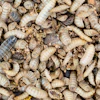
An analysis of insect-based dog foods in South Korea identified nutritional issues for some products, but don’t blame the bugs for all of the imbalances.
“Insect-based dog foods show promise as sustainable protein sources, but discrepancies in mineral content and fatty acid ratios highlight the need for both stricter regulation and better enforcement of existing guidelines to ensure nutritional adequacy for dog health and accurate labeling,” the researchers wrote in the American Journal of Veterinary Research.
The study evaluated 18 insect-based dog foods available on the South Korean market. While all products met minimum protein and fat requirements established by the Association of American Feed Control Officials (AAFCO), several fell short of growth and reproduction targets in mineral concentrations, fatty acid balances or specific amino acids.
- 12 products were manufactured in South Korea
- 2 in Germany
- 2 in France
- 1 in the Netherlands
- 1 in the United Kingdom
Protein quality supports continued adoption
All products met AAFCO minimum requirements for crude protein and crude fat. Amino acid analysis also showed that every diet satisfied adult maintenance requirements for essential amino acids.
However, the study identified a potential limitation for growth-stage formulations. Three products marketed for all life stages failed to meet AAFCO growth and reproduction requirements for threonine, an essential amino acid involved in protein synthesis and growth. Deficiencies in threonine can negatively affect feed intake, weight gain and nitrogen metabolism in growing dogs, the researchers noted.
Mineral deficiencies present greater formulation risk
Beyond the basics of fats and proteins, some insect-based dog foods had weaknesses. Several products lacked recommended levels for calcium, phosphorus, zinc, iron or copper. In addition, six products did not meet AAFCO's recommended calcium-to-phosphorus ratio range.
Don’t blame the bugs, though. The authors noted that these deficiencies likely reflect formulation practices rather than limitations inherent to insect ingredients themselves. Most products contained supplemental minerals, but the study did not evaluate inclusion rates, mineral forms or bioavailability.
Fatty acid profiles vary by insect species
The research also demonstrated that insect species influences fatty acid composition. Black soldier fly larvae-based products contained higher concentrations of lauric acid and myristic acid than mealworm-based formulations.
Three all-life-stage products contained insufficient levels of eicosapentaenoic acid and docosahexaenoic acid to meet AAFCO recommendations for growth and reproduction. Two products exceeded the recommended maximum ratio of linoleic and arachidonic acids to alpha-linolenic acid, eicosapentaenoic acid and docosahexaenoic acid.
Label accuracy remains an industry concern
Beyond nutrient adequacy, the study identified discrepancies between measured nutrient levels and guaranteed analyses on product labels. Several products contained lower crude protein or crude fat levels than declared.
As insect-based products are often marketed as premium, sustainable alternatives, accurate nutrient declarations may play an important role in maintaining consumer confidence in the product’s health attributes.