A group of scientists identified antimicrobial resistant bacteria and Salmonella on imported dog chews sold in the U.S.
“We found that treats originating from North America and treats purchased in grocery stores had a lower risk of contamination with bacteria resistant to the antimicrobials tested,” wrote in the journal Preventive Veterinary Medicine.
Researchers from The Ohio State University, the U.S. Food and Drug Administration and the U.S. Centers for Disease Control and Prevention analyzed 505 pet treats purchased from grocery stores, pet and farm supply stores, and online retailers over a 16-month period.
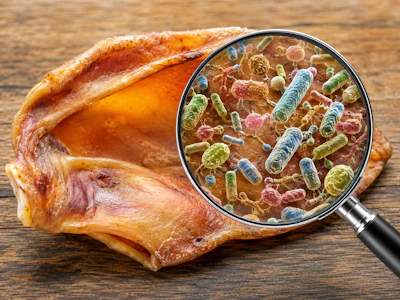
The researchers found four Salmonella-positive samples, all from pig ear treats originating from Brazil. They also detected several species of bacteria carrying resistance to critically important human antibiotics, including colistin and carbapenems, in several treats.
Imported products showed higher risk
According to the study, pet treats sourced from North America had a lower prevalence of contamination than products from other regions. The researchers reported no Salmonella-positive samples among North American treats.
Researchers isolated three bacteria resistant to colistin, an antibiotic considered a last-resort treatment in human medicine, from pig ear treats imported from Brazil. All three organisms, Klebsiella pneumoniae, Escherichia coli and Enterobacter hormaechei carried the mobile resistance gene mcr-1.18, which enables bacteria to withstand colistin treatment and can be transferred between bacterial species. In addition, the researchers identified a carbapenem-resistant Escherichia coli isolate in a bully stick product labeled as originating from multiple countries. Carbapenems are another class of last-resort antibiotics used to treat severe infections in people.
Processing and packaging remain critical
The researchers noted that contamination can occur throughout the production-to-consumption chain, including during transport, storage and retail display. They observed that unwrapped treats sold in bulk bins were common in pet and farm supply stores, whereas products sold through grocery stores were generally individually wrapped or packaged in sealed bags.
Treats purchased from grocery stores showed a significantly lower prevalence of bacteria resistant to critically important antimicrobials. Resistance prevalence was 4% among grocery store purchases, compared with 24% for pet and farm supply stores and 21% for online purchases.
The authors said the findings support recommendations from the U.S. Centers for Disease Control and Prevention and the U.S. Food and Drug Administration to use decontamination methods such as irradiation or baking, followed by individual packaging to reduce the risk of cross-contamination.
Although the overall Salmonella prevalence observed in the study was relatively low at 0.79%, the presence of antimicrobial-resistant organisms underscores the importance of preventive controls and supplier verification programs.
“Outreach and extension activities are needed to increase awareness of the risks of contaminated pet treats and to highlight the importance of hand hygiene when feeding and interacting with pets,” the researchers wrote.