Fish food has become a highly lucrative subcategory in Southeast Asia's pet industry, with annual regional revenue valued at $250-300 million. Pet humanization trends and the rise of premium functional diets with probiotics and omega-3 fatty acids are driving significant growth as aquarium owners in urban centers increasingly pamper their fish with specialized, high-margin products.
- Fish are the third most popular pet in Southeast Asia, found in 13-15% of households, with the Philippines alone having an estimated 43.9 million pet fish.
- The Asia-Pacific pet fish food market is valued at $250-300 million annually, with higher profit margins per unit compared to commercial aquaculture feeds.
- Southeast Asian manufacturers now produce premium functional diets featuring omega-3 fatty acids, probiotics, botanical extracts, and black soldier fly larvae to improve fish health and digestion.
- SEA has shifted from importing Western fish foods to exporting top-rated premium products, including specialized pellets for monster fish like golden arowanas and nano fish.
- Market growth is expected to accelerate as more people move into micro-condominiums with no-pet policies that make exceptions for space-efficient aquarium fish.
The pet humanization trend has reached even the inhabitants of aquariums, which can be found in 13% to 15% of households across Southeast Asia (SEA) today.
In this region, aquarium owners are getting fancy, buying premium functional and therapeutic fish diets and creating a boujee lifestyle market for their swimming pets.
Fish are the third most popular type of pet in most Southeast Asian countries today, an offshoot of the pandemic aquarium boom and, for many, of living in micro condominium spaces.
Yesterday's hobbyists are now joined by millions of pet fish owners in key urban centers such as Manila, Bangkok and Singapore who are willing to pamper their fish with customized food.
In the Philippines, there are an estimated 43.9 million pet fish, making them the single largest group of pets by total population in the country. But more households keep dogs (67%) and cats (43%) than fish (13%).
Within the broader Asia-Pacific (APAC) market, annual revenue from pet fish food is valued at about $250 million to $300 million. Compared with commercial aquaculture feeds, pet fish food offers higher profit margins per unit.
From importer to exporter of premium diets
Meanwhile, SEA is no longer just an importer of expensive Western fish foods but can export top-rated products as well. The region is taking the highly technical and premium route with omega-3 fatty acid- and probiotic-infused foods that help with digestion, nutrient absorption and bowel management.
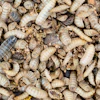
Pet fish owners can also now take advantage of botanical-enriched diets with spirulina and garlic, for example. Also on the menu are black soldier fly larvae as a nutrient-rich replacement for traditional fish meal, and powder feeds engineered specifically for freshwater shrimp and nano fish.
 The golden arowana is seen as a status symbol in Asian cultures.navanithe | Pixabay.com
Traditional fish meal made from forage fish is taking a back seat because it is crumbly and unsuitable for small tanks.
Regional forecasts by TGM Research expect the pet fish food market to continue growing as more people move into tiny living spaces with no-pet policies that make an exception for quiet, space-efficient pet fish.