Green is the new black. Influencers now flaunt sustainability on social media and around town. While going green to boost follower numbers seems like planetary posturing, these eco-glitterati may be sincere and a major asset to pet food brands, Andrea Binder, pet industry thought leader with NielsenIQ, said during her presentation at the Pet Summit 2026 on March 24 in Orlando, Florida.
“Well, yes, they may be in it to show off those products,” she said, “However, the thing about them is, if they find products that resonate with their beliefs and values, they can be your biggest brand advocate. They're going to go out and they're going to showcase those products to their friends. They're going to talk about them on their social media channels. Those are the consumers that can really help advocate for you and your brand and the things that you're doing.”
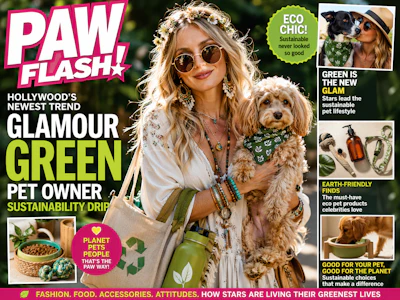
Glamour Green defines that group she said. Glamour Green is one of the five categories NielsenIQ uses to segment sustainability-minded purchasers, pet owners included.
Glamour green: social media amplifies sustainability
The most significant growth from 2010 to 2025 occurred in the Glamour Green segment, which NielsenIQ describes as consumers who “consider green behavior as a badge of honor/status symbol” and are “eager to showcase eco-friendly behaviors and purchases.” This group grew from 20% to 38% of sustainability-focused consumers during the past decade and a half.
This segment is closely tied to the rise of social media platforms, especially TikTok, where product discovery and brand engagement are increasingly visual and peer-driven. “More and more, especially younger generations, move to search and product discovery via social platforms,” Binder said.
Rather than relying on traditional search engines, consumers are watching how products are used and presented in real-world scenarios.
“I’m going to watch someone with the packaging, open it up, use the product,” Binder said, describing how consumers evaluate products through video content on social media. This behavior elevates the importance of packaging as both a functional and marketing tool, particularly when sustainability cues are visually obvious.
Micro-influencers play a central role in reaching this audience.
“The micro-influencers are just the standard everyday people [who] can actually be far more influential for a brand than putting all of your dollars into one… celebrity,” Binder said.
For pet food brands, this creates an opportunity to seed products with smaller creators who can authentically demonstrate sustainability attributes. Binder pointed to the importance of designing products that align with real consumer needs and can be easily shared online.
“How do you just get your product into the hands of normal consumers that then maybe have smaller followings but are going to get your word out more authentically?” she said.
In this context, sustainability becomes part of the product story, and a part that consumers want to showcase on social media.
Green in deed: deeply committed sustainability buyers
The Green in Deed segment stands as the most engaged group, defined as consumers who are “the most genuinely active in environmental thought and action.” These buyers consistently prioritize sustainability across their purchasing decisions and are more likely to seek out certified or measurable claims.
While this segment has grown modestly since 2010, only one percentage point, its influence extends beyond its size. These consumers often serve as early adopters and validators of sustainability innovations in pet food, particularly those tied to packaging, sourcing and animal welfare. For manufacturers, credibility and transparency remain essential to winning their trust.
Carbon cultured: intent focused on convenience
Carbon Cultured consumers sit in the middle of the spectrum, holding pro-environmental attitudes but prioritizing convenience. NielsenIQ describes them as focusing “mostly on the ‘easy’ behaviors,” such as choosing recyclable packaging or products with straightforward sustainability claims.
This segment has declined during the past 15 years from 24% to 16%. For pet food manufacturers, success with this group depends on reducing complexity: clear labeling, simple disposal instructions and familiar materials like paper can help translate intent into action.
Green in need: motivated but constrained
The Green in Need segment includes consumers who believe in sustainability but struggle to act consistently. They “see the benefit in it… [but] aren’t quite sure how to make those moves in their day-to-day life,” Binder said.
This group has grown since 2010, reflecting economic pressures and competing priorities. While interest remains high, cost and accessibility can limit purchasing behavior. Binder noted that consumers are already balancing multiple concerns, from rising pet ownership costs to broader economic uncertainty, which can make sustainability decisions more difficult.
For brands, simplifying choices and offering affordable sustainable options will be key to converting this segment.
Jaded: skepticism declines but caution remains
The Jaded segment has seen the most notable decline, shrinking from 39% of eco-conscious consumers in 2010 to 26% by 2025. These consumers are characterized as “skeptical, cynical,” but willing to engage in low-effort environmental behaviors.
Despite this reduction, jaded attitudes may rise as other problems take priority. Binder said the segment’s behavior may now be shaped by competing priorities rather than outright rejection.
“It’s not that consumers don’t care anymore… it’s just there’s other things that have to take priority,” she said.
In practice, this means Jaded consumers may still engage in low-effort sustainability behaviors, particularly when those behaviors are built into the product. Clear, credible claims and intuitive packaging are essential to maintaining trust with this group, as confusing or vague messaging can reinforce skepticism.
Aligning packaging, messaging and innovation strategies with these distinct segments may determine how effectively they capture future growth in a sustainability-driven market.