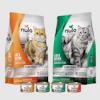
It’s no secret that the pet food industry has become packed with options, particularly in North America as the most mature section of the market. It’s more difficult than ever to get a brand in front of consumer eyes for more than a moment, to say nothing of actually being able to engage pet owners and sway them to your products. At the same time, being able to do just that is something consumers are craving — they want to have a good feeling about the brands they interact with as much as the food that goes into their pets’ bowls. This complex dynamic means pet food marketers certainly have their work cut out for them these days, and one of the areas they must continue to be most careful involves how pet food products are labeled — both from a regulatory standpoint and from a consumer knowledge standpoint.
“Right now many regulators see unapproved ingredients, truthfulness and clarity to the consumer as top concerns when it comes to labeling,” said Austin Therrell, executive director of the Association of American Feed Control Officials (AAFCO). “AAFCO members strongly believe that the consumer should be aware and clear about the products they are purchasing, and the ingredients being used in those products should be legally approved and reviewed by [the U.S. Food and Drug Administration, FDA] for their intended purpose.”