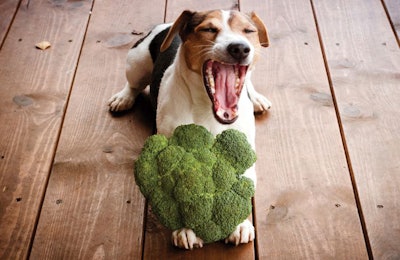
For the past few months, amid a coronavirus pandemic, this column has covered more light-spirited topics. But now, it is time to get down to business with foods that are “good for you” like kale and broccoli. These epitomize the cruciferous vegetables that are supposedly healthy beyond basic nutrition. So, does this apply to the nutrition of dogs and cats too? We should explore.
First, what are the cruciferous vegetables? These are members of the family Brassicaceae (the Cruciferae), which include cauliflower, cabbage, kale, bok choy, broccoli, Brussels sprouts, turnips, mustards, watercress and radishes, to name a few. Mothers around the world have pushed them as “good for you” for a millennium. Beyond kitchen lore, biomedical research mostly with rats, mice and in people have now connected their consumption with health. Most of this research has demonstrated that they contain potent molecules which can retard and, in some cases, reverse tumor growth and development.