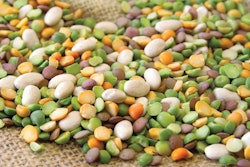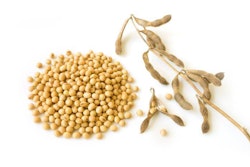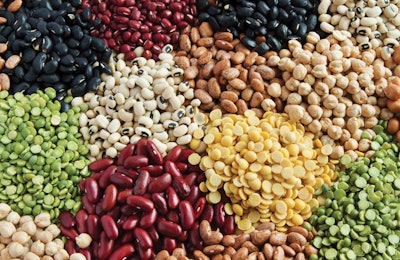
With the popularity of grain-free diets, large concentrations of oligosaccharides are being introduced into dog and cat foods. The legume seeds such as peas, lentils, chickpeas and various beans are the leading sources. These legume seeds bring great variety to the pet aisle, have more protein than the cereal grains and possess other phytonutrients considered valuable to overall health. However, they carry with them significant quantities of fermentable oligosaccharides. In small amounts these may be beneficial to the animal, but at large concentrations they can become an issue. Finding when we cross the line from benefit to issue is important.
Information regarding the impact of oligosaccharides on dogs and cats is not easily available. Perhaps this is due in part to the relative newness of these legume seeds in pet diets. So, one must extrapolate from the human and farm animal literature or look to work with soybeans to get an idea of what might be occurring. The legume seed oligosaccharides in the raffinose family are 3-5 carbon short chain sugars (raffinose, stachyose and verbascose). They are indigestible by mammalian enzymes and pass to the colon where they are fermented by the microflora.