No corn, no soy, no wheat. Seems to be a near unanimous claim — from both pet food companies and self-help websites. According to Petfood Industry’s Dog and Cat Food Ingredient Database, soy is found in less than 13 percent of dog and 20 percent of cat foods. That is a long way from its once dominant position. Today it is vilified as a cheap filler, allergen and goitrogen, among other things. This seems somewhat surprising given soy products are a cornerstone for vegetarian and vegan dietary choices and the antithesis of animal proteins in the human foods market.
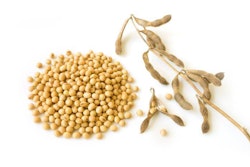
Soybean meal is the predominant soy source in pet foods. There has been a wealth of research published with dogs and cats over the past 20 years in which it was the subject. Generally speaking, this research would support soybean meal in animal foods as wholesome, biologically available and commercially sustainable. So why the disconnect among research, commerce, the critics and the market? Is it merely that soybean meal is a co-product from the oil crush and relatively inexpensive compared to the rest of the proteins? Does it fail the “novelty” test for modern ingredients? Perhaps it is the wisdom of the masses, and there really are some problems with this ingredient? Some of the answers may be elusive, but let’s look a bit closer.