My husband and I recently adopted two kittens, four-month-old brothers, after being pet-less for two years. Our most recent cat lived to be 17. By the time he died two years ago, he’d been on a therapeutic diet for several years, had used the same cat litter for much longer and, as a senior citizen, was not very active or disruptive. Plus, he would eat only dry cat food — wouldn’t touch wet, treats or anything else.
Which means that, for the first time in close to 20 years, we’re needing to think about and shop for not only cat foods and treats in various formats but also all kinds of other products: cat trees and scratching posts, deterrents to preserve our furniture and keep the little guys away from houseplants and off tables and counters. And, should I eventually switch them to a different litter, maybe an eco-friendlier one?
(I don’t need to worry about cat toys, at least for now; they’re practically swimming in those!)
It’s a bit overwhelming, to be honest. Suddenly, I can relate to the surveys showing how many other pet owners feel about the dizzying array of products, pet food and otherwise, on the market. (At this point, I can identify with them more than the cat owners surveyed by Packaged Facts who’ve repeatedly said they feel like second-class citizens in terms of product offerings and innovations from brands and manufacturers.)
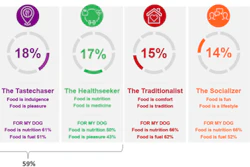
My purchasing drivers likely align with other pet owners’
Right now, the kitten food and treat choices are much easier and straightforward for us. My colleague who had taken in the pregnant mom cat (she gave birth on their porch) sent the kittens home with a large amount of the food, dry and wet, she’d been feeding them, plus treats. I may eventually transition to a different brand, but while the kittens settle into their new home and encounter new experiences like riding in a car and going to the veterinarian, I figure it’s best to keep them on the same foods and use up much of what we have.
The same applies to their current cat litter, and I settled pretty quickly on a cat water fountain. How I did that, and what might guide my future choices for new cat foods, litter and other products, are coming down to a couple of drivers that may prove insightful for pet product brands:
- Recommendations — from online reviews, experts like pet store employees and veterinary staff, and my friends and family members who own cats. This is in keeping with many surveys about how pet owners shop and make purchasing decisions.
- All else being equal, go local — this is, admittedly, a personal philosophy and decision that may matter to me much more than to other pet owners. Yet, it’s definitely helping me narrow down the options.
And, by local, I don’t mean just prioritizing buying from a local retailer; it’s also looking for pet food and product companies in my area. For example, after reading many online reviews about cat water fountains and seeing some at pet trade shows and in friends’ homes, I felt no closer to choosing one. Then, a knowledgeable employee at the local pet store told me a company that made fountains and other pet products was headquartered in a neighboring town, which I hadn’t known.
That sealed the deal for me, even though I ended up having to buy the fountain online (the pet store no longer carries water fountains, and the manufacturer doesn’t sell directly to consumers.) The fact that it was very affordable was a bonus.
It turns out this company also makes a range of cat litters, from traditional clay to alternative materials (grass, wheat, corn, etc.). If I do decide to switch someday, their product line-up will be the first place I look.
What are your target consumers’ purchasing drivers?
The same goes for cat food: If and when I switch what the kittens are eating, it will be to a brand made locally. Now, I realize the fact that I’ve covered the pet food industry for 20 years makes me unique compared to many other pet owners; I have a much greater knowledge base from which to determine the “all things being equal” factor. But I know I’m not alone in relying on things like recommendations and personal shopping philosophies, which may offer clues for brands. For example, for emerging brands, experts like NielsenIQ recommend focusing on local success first.
I know, it’s easy for me to say that all brands have to do is Identify their target consumers’ purchasing drivers, then develop products and create marketing messages and other communications that follow those; it’s far more difficult to actually execute such a strategy. In the current market environment, though, it may be a sound approach.