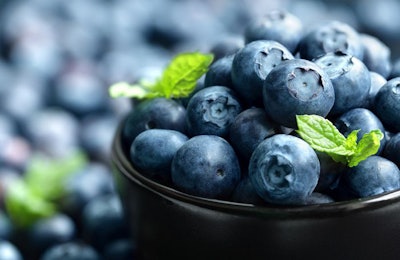
In the category of fun foods with potential nutritional functionality, the top of the list could arguably go to blueberries. Generally, they are added to pet foods and treats as an accent or visual eye catcher. Some pet food companies will also feature them with other fruits and vegetables and promote them as an antioxidant blend to attract attention as a health benefit. The addition of these dark blue to purple berries is appealing to pet owners, but are they more than window-dressing for the dog or cat?
Blueberries are perceived positively by 65% of consumers, and they were the sixth-top-selling fruit with volume growth of 19.1% in 2019 (U.S. Highbush Blueberry Council — USHBBC). Blueberries have been a juicy sweet addition to pancakes, cereals, muffins, snacks and pies. Today in the nutrition and health market, they are considered a “superfood” due to their high in vitro antioxidant capacity and concentration of polyphenolics. In theory, that should mean “healthy.” In human nutrition, they are associated with reduced risk of cardiovascular disease and type-2 diabetes. Blueberries have also been implicated with reducing cognitive decline and inflammation, and the fiber fraction with a positive shift in the gut microbiome. These latter three may have application in pet health and nutrition.