In most species (beta) β-carotene is a precursor to vitamin A (provitamin A), though its role in this function is up for debate for dog and cat diets. β-carotene is one of over 600 carotenoids. These compounds are 40-carbon molecules that are not soluble in water. They exist as long polyene chains with conjugated double bonds called the chromophore — the part which absorbs light and produces color. There are two categories: the carotenes like β-carotene and lycopene which are found in the lipid core of cell membranes, and the xanthophylls which include the polar compounds such as lutein, zeaxanthin, canthaxanthin and β-cryptoxanthin. Most of these latter compounds are associated with pigments.
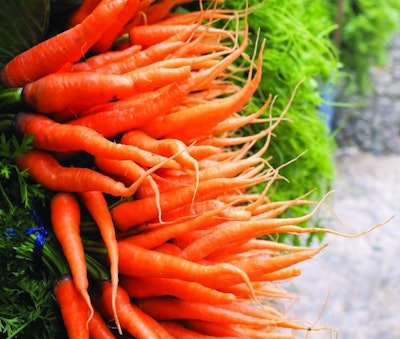
β-carotene was first isolated in 1831 and crystallized from pigment derived from carrots (Daucus carota); thus, the name. In 1919, it was thought to be involved with vitamin activity. Early work was done in rats in which it spared vitamin A, but in the 1930s when the cat was the model of interest it failed, giving rise to the idea that there may be species differences in how this molecule was transformed to vitamin A.