Scoular is partnering with Giorgi Mushroom Co. to bring proprietary mushroom blends to the pet food market, according to Scoular’s fiscal year 2026 annual sustainability report.
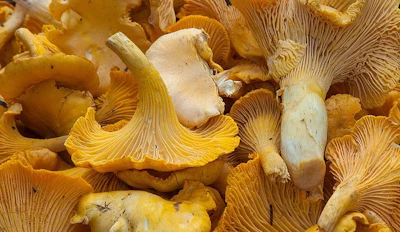
Giorgi, one of Scoular’s newest suppliers, uses mushroom stems in its formulations. The stems are often a byproduct of mushroom production.
“By finding innovative uses for mushroom stems, we’re helping customers reduce waste while delivering ingredients that support pet health and nutrition,” said Amanda Rosequist, senior merchant with Giorgi.
“Our customers appreciate both the sustainability story and functional benefits that our mushroom ingredients provide,” Rosequist said.
Giorgi’s mushroom production starts with agricultural byproducts, including corn stover, hay, cocoa shells and horse bedding, which are blended into a compost that serves as the growing medium. In the past year, the company composted about 282,800 tons of agricultural byproducts, representing about 90% of its compost ingredients, according to the report.
Giorgi does not use synthetic fertilizers or added nitrogen to prepare its growing substrate, relying instead on natural inputs and microbial activity. During composting, microbes break down organic materials into complex sugars that feed mushroom mycelium. Heat generated by the microbes partially powers the process, reducing the need for external energy.
After harvest, the spent mushroom compost is returned to the land as a soil amendment. Some goes back to the fields of Giorgi’s corn stover suppliers.
Scoular’s business lines include pet food ingredients, and pet food manufacturers are among its customers, according to the report.
Regenerative wheat program expands
Scoular and Grupo Trimex, a Mexican flour milling company, have expanded a joint regenerative agriculture pilot project into a program covering 35,000 acres and 40 producers in two regions.
The companies launched the project in 2024 in Adrian, Missouri, where Scoular operates a grain facility. The program started with 5,000 acres and 12 producers growing soft red winter wheat using regenerative practices. In 2025, Scoular enrolled 10,000 acres with 13 producers.
Scoular recruits and enrolls farmers in the program, and employees at its Adrian facility collect farm management data from growers. Grupo Trimex compensates producers for their data and Scoular for project oversight.
Wheat produced in the program in 2025 had a farmgate emissions factor of 0.503 kilograms of carbon dioxide per kilogram of yield, compared with a baseline of 1.034 kilograms, according to the report. Scoular has set a goal of sourcing 200,000 regeneratively farmed acres annually by 2030.
“This program has been built on the strong relationships Scoular maintains with its farmers,” said Mar Gutiérrez, sustainability manager at Grupo Trimex.
The report details how Scoular works with producers, customers and communities, said Beth Stebbins, director of sustainability and producer strategy at Scoular.
“Scoular is making strides across our business, from expanding regenerative agriculture acres and strengthening farmer relationships to creating growth opportunities for employees and maintaining our focus on safety every day,” Stebbins said.