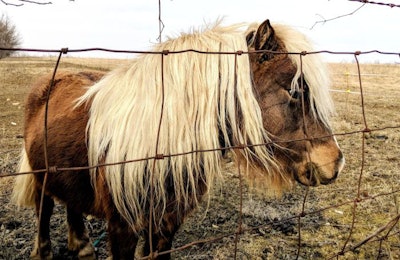
Scientists use many of the same techniques to study different animals’ digestive systems, including humans. Likewise, dogs, cats, horses and people eat many of the same ingredients, though formulated differently and with different effects in various species digestive systems. This one health approach to animal nutrition allows advances in one species to benefit all, while facilitating collaboration in new pet food product development. For example, the same scientific team behind horse feeds including Strategy and Outlast brands developed Exclusive Signature Pet Foods, owned by Land o’ Lakes.
“While there are digestive health species differences between dogs, cats and horses we as nutritionists share common research learnings and have common nutritional ingredients that can be used to support digestive health,” Michael Hayek, Ph.D., director of companion animal technical innovation for Exclusive Pet said. “For example, both horses and pets, as well as humans, have a microbiome population in the GI tract. The type of bacterial populations may differ, however the techniques to study them are similar. In both cases, the microbiome interacts with the horse, dog, cat or people to influence health both positively or negatively if certain bacteria are able to thrive (such as Salmonella). So, in all species we want to have a healthy microbial population balance.
“We also leverage similar nutrients for digestive health in pets, horses and people,” he said. “All of these focus on things such as fiber, prebiotics and probiotics. They may act differently in each species but still have the result in supporting digestive health.”
Exclusive Comfort Care Digestive Health Support System is Exclusive Pet’s proprietary combination of fiber, prebiotics and probiotics. Formulators add the mixture to support digestive health.
“We have formulated with specified levels and combination of beet pulp, chicory root, yeast and probiotics based on pet nutrition studies,” Hayek said.
Pet digestive health campaign
Exclusive Pet Food started an awareness campaign in August to encourage pet owners to consider their animals’ digestive health.
“Most pet owners understand that a very loose or hard stool is a sign that there dog or cat is having issues with their digestive system,” Michael Hayek, Ph.D., director of companion animal technical innovation for said. “Since most of us consistently clean our litter boxes or backyards this is top of mind. Also, many dog owners recognize that they need to transition to a new food to maintain a consistent stool. Another example is that owners who board their pets are aware that the stress can cause gastrointestinal distress. We found that consumers we talked to in while developing Exclusive Signature were aware of digestive health, the role nutrition plays and were interested in diets that support digestive health.”
The campaign encourages pet owners to consider these questions:
- Is your dog’s stool soft and well-formed?
- Does your dog defecate regularly and about the same time of day every day?
- Does your dog rush to go outside after a meal?
- Does your dog demonstrate nervous behavior or discomfort after a meal?
- Have you noticed a change in your dog’s coat quality or increased itching?
- Does your dog have excessive flatulence?
- Does your dog’s tummy “rumble” excessively?