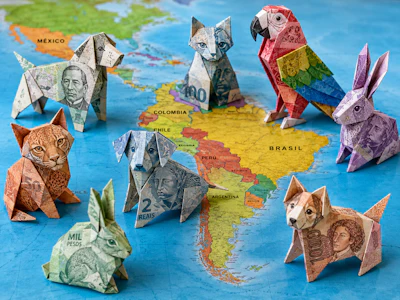
Latin America's pet food market is projected to reach US$18.47 billion by 2035, up from US$12.84 billion in 2025, representing 44% growth over the next decade, according to a 2026 report from Claight Expert Market Research.
Read this article in Portuguese
Mercado latino-americano de pet food cresce e deve movimentar R$ 94 bilhões até 2035
The report forecasts a compound annual growth rate (CAGR) of 3.7%, driven by expanding pet populations, continued pet humanization and growing demand for higher-value pet food products.
Brazil remains the region's largest market, accounting for nearly 60% of total pet food sales. The report also highlights growing momentum across other Latin American countries, supported by rising household incomes, urbanization and the pet sector's position as one of the region's most resilient consumer categories.
Countries play distinct roles in market development
While Brazil continues to lead in market size, other countries are developing specialized roles within the regional industry.
According to the report, Mexico is strengthening its position as a hub for innovation and manufacturing investment. Argentina and Colombia are expanding their portfolios of premium and sustainable products, while Chile is advancing regulations aimed at improving labeling transparency. Peru is emerging as a market for pet foods formulated with plant-based proteins.
These developments reflect an increasingly diversified regional industry, with multiple countries contributing to technological innovation and commercial growth.
Premiumization fuels demand for functional nutrition
Pet humanization continues to be the primary driver of market growth.
The report notes that more than 75% of Chilean households own pets, creating strong demand for premium diets, higher-quality ingredients and products inspired by human food trends.
Beyond gourmet offerings, manufacturers are expanding functional pet food formulations targeting digestive health, skin and coat health, joint support and healthy aging. Personalized nutrition based on genetic testing and gut microbiome analysis is also beginning to gain traction across the region.
Dog food dominates while cat food grows faster
Dog food continues to account for the largest share of pet food sales in Latin America, supported by premium products, grain-free diets and formulations focused on disease prevention.
Cat food, however, is expanding at the fastest pace. According to the report, Argentina and Chile are leading this trend, driven by growing urban cat populations and increasing demand for high-protein diets and functional ingredients.
Treats and e-commerce create new growth opportunities
Dry pet food remains the dominant product format throughout the region, but treats represent the fastest-growing category, fueled by demand for products offering additional benefits such as oral health, stress management, and skin and coat support.
Supermarkets remain the leading retail channel, while e-commerce continues to expand its market share.
In 2024, online pet food sales in Latin America reached US$180 million, reflecting growth in subscription services, personalized recommendations and new direct relationships between manufacturers and consumers.
Sustainability opens the door to new ingredients
The report also highlights growing investment in circular economy initiatives, sustainable packaging and alternative proteins as companies seek to differentiate their product portfolios.
Although animal proteins remain the dominant ingredient source, plant-based ingredients and other novel raw materials are gaining space in formulations designed for environmentally conscious consumers and pets with specific nutritional needs.