Years, a UK fresh dog food subscription company, completed an independent investigation involving testing of 21,757 samples across 1,129 substances and found no contamination, toxins, or link between its food and sudden bilateral dry eye in dogs, though the company will remove buckwheat from recipes as a precaution when deliveries resume in October.
- Independent experts tested 21,757 individual samples across 1,129 distinct substances with no contamination found
- Investigation covered ingredients, production meals, and customer-returned meals from March 1 to August 17
- Buckwheat was tested for 940 distinct substances including tropane alkaloids, mycotoxins, pesticides, and heavy metals with no issues detected
- British Association of Veterinary Ophthalmologists identified 155 cases in Years customers and 96 cases in non-Years customers, suggesting causes beyond the company's food
- Years will remove buckwheat from recipes as a precaution and fund independent research to understand the rise in sudden bilateral dry eye cases
Years, a UK fresh dog food subscription company, announced Sept. 22 that a multidisciplinary investigation led by independent experts in food safety, microbiology, toxicology, veterinary clinical nutrition and veterinary ophthalmology found no link between its recipes and sudden bilateral dry eye condition.
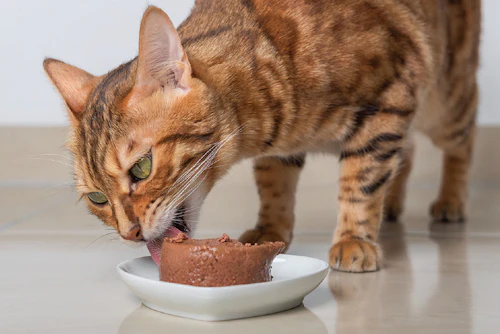
The company recalled all fresh meals, except its Chef's Collection, on Aug. 20 after receiving reports of sudden bilateral dry eye in dogs that had eaten its food. Years said it was first notified of potential cases in late July.
According to the company, the investigation covered ingredients, retained production meals and meals returned by customers, spanning the period from March 1 to Aug. 17. Testing produced 21,757 individual test results across 1,129 distinct substances.
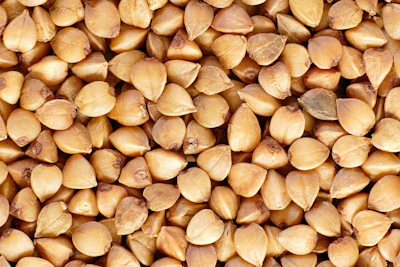
Buckwheat, an ingredient named in the August recall notice, was tested for 940 distinct substances, including tropane alkaloids, mycotoxins, pesticides, heavy metals and fagopyrin. Two separate reviews of Years' manufacturing and food safety systems, along with potential toxicological pathways, also found no issues.
Years noted it has collaborated with the Food Standards Agency and Trading Standards throughout the investigation, sharing all scientific laboratory results, microbiological testing data and validated manufacturing records.
As a precaution, and because customers indicated they wanted to return to previous recipes, Years said it will remove buckwheat from its meals when it resumes deliveries in October.
Investigation findings
According to Years, the investigation found no evidence of contamination, toxin or safety issues with its food, ingredients or packaging. It also reported no evidence of contamination from tropane alkaloids or fagopyrin in buckwheat, and no toxin, safety or contamination issues from mycotoxins, pesticides, sulphonamides or heavy metals.
The company said its cooking process was independently validated with built-in safety margins, and that its buckwheat supplier had undergone pre-supplier validation, product specifications, certificates of analysis and IFS Food Version 8 certification.
Darren Beale and Ivan Barashki, co-founders of Years, said in a statement:
"When these reports emerged, we stopped the entire business and focused all our time and effort on understanding what was happening. There was no scientific evidence that our food was responsible, but we were not prepared to take any chances with the dogs people trust us to feed. That is why we voluntarily recalled our fresh meals and commissioned a comprehensive investigation, drawing on independent experts in food safety, toxicology, veterinary clinical nutrition and veterinary ophthalmology.
"Our investigation is now complete," they said. "After extensive independent laboratory tests and two separate manufacturing reviews by independent experts, no contamination, toxin, safety or packaging migration issue has been found in Years' food, and no link has been identified between Years' food and sudden bilateral dry eye."
Cases beyond Years customers
The British Association of Veterinary Ophthalmologists, which launched its own data collection effort on sudden bilateral dry eye across the UK, identified 155 cases in dogs fed Years' food and 41 cases in dogs that had never eaten it. Veterinary ophthalmologists in Finland and Hungary, where Years' food is not sold, separately reported 55 additional cases, bringing the total number of cases in dogs with no history of eating Years' food to 96.
Elina Pietilä, a veterinary ophthalmologist and chair of the Hereditary Eye Disease Committee at the European College of Veterinary Ophthalmologists, reported 25 cases between herself and one colleague in Finland, where the dog population is about 781,000. Years said dry and wet dog foods containing buckwheat were present in a number of affected dogs' diets in Finland and Hungary at a rate higher than buckwheat's overall market share, but cautioned this is an observation, not proof of correlation or causation. Diet has not historically been identified as a cause of sudden bilateral dry eye, and the company noted that none of the three countries has yet reported how many affected dogs were not eating buckwheat.
Years said its traceability records show no single farm supplied all the affected batches during the investigation period, and cross-checks against other companies' buckwheat supply chains found no link.
The company used five buckwheat batches across 1,380 cooking cycles and 145 production batches during the investigation period, and cases were not concentrated in any single batch or cycle. Years said it fed about 63,000 dogs between March 1 and Aug. 17, giving it a larger dataset than smaller companies using buckwheat.
According to Years, sudden bilateral dry eye develops suddenly, with a low Schirmer tear test score of 0 to 5, and is typically unresponsive to standard treatment. It differs from dry eye, a more common condition that develops over weeks or months, has a Schirmer score of 6 to 15, and generally responds to treatment within three to six months. An estimated 15,600 dogs are diagnosed with dry eye annually in the UK, affecting about 1 in 250 dogs overall and as many as 1 in 17 in predisposed breeds.
Ongoing research and support
Years said it will fund an independent study led by David Williams, a veterinary ophthalmologist with a doctorate in ocular immunology at the Queen's Veterinary School Hospital, Cambridge, involving histopathological analysis of lacrimal tissue from affected dogs. The company also plans to collect treatment outcome data and share it with the British Association of Veterinary Ophthalmologists, and said it will continue working with companies and veterinary ophthalmologists internationally on data collection.
Beale and Barashki said: "On behalf of every dog that has suffered or is suffering from sudden bilateral dry eye, whether a Years customer or not, no matter what food has been fed, or what country they're in, we are determined to try to understand what is causing the rise in cases."
Years said customers whose dogs have been diagnosed with sudden bilateral dry eye or another form of dry eye can access veterinary ophthalmologist consultations, a free prescription service, discounted medicines, RCVS veterinary eye health consultations and 24/7 veterinary support through their Years account. The company said it will follow up with everyone who submitted a symptom report by Sept. 29.