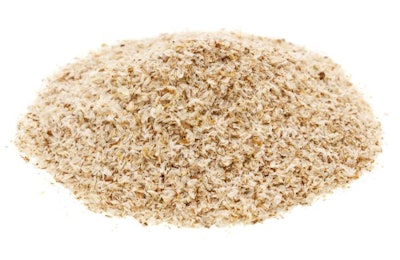
Psyllium seed husks are found on the label of several pet foods, but little is said by way of marketing claims about what this ingredient is and why it might be beneficial to dogs or cats. Psyllium seed husks are the ingredient most commonly associated with Metamucil, the laxative and stool softener used medicinally to aid gastrointestinal regularity. As a laxative, it acts by increasing indigestible fiber in the gut, which absorbs water to create a mass that stimulates bowel movements for those that are constipated. For those afflicted with diarrhea, it binds the free water and slows the process of elimination.
Aside from the relief of specific conditions, is there any benefit from its use on a constant basis? There are strong indications that consumption of psyllium seed husk may lower cholesterol and LDL, and decrease glucose absorption in type-2 diabetic people. As well, it may impede vitamin and mineral absorption depending upon meal and timing of the dose. Further, it can alter absorption and action of certain medications. It clearly elicits a response in human medicine and health, but is there benefit to use of this medicinal herb as part of the daily diet of dogs and cats?