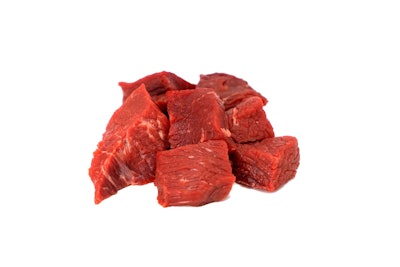
Growth Market Reports suggests the marketplace of “controlled foods” or limited ingredient diets (L.I.D.) reached US$4.2 billion globally in 2024. Definitions for this type of food are robustly different from brand to brand. No regulatory definition exists for this type of product segmentation. Some focus on single animal proteins despite the inclusion of multiple plant proteins. Others limit the number of ingredients. Some brands speak to “clean” nutrition, limiting artificial and synthetic ingredients. Some highlight sensitivity, exclusion, transition or uniqueness, while others concentrate on hydrolyzed proteins to help reduce the potential of an allergy.
Historically, the food regimen approach was to restrict ingredients regardless of ingredient order. That is, meat did not need to be the number one ingredient. That was the genesis of the first lamb and rice product in the 1960s, which carefully used lamb as the only animal protein and rice as the only carbohydrate — both were unique in the marketplace at that time. Today, there are very few ingredients in the marketplace that are unique. However, there is a wide set of approaches in the classification of L.I.D. along with foods for “sensitive skin and stomachs.”