In February 2004, the topic of rice in pet foods was covered in this column. What is new 14 years later? For starters, rice, along with other grains, has lost significant product share to non-grain carbohydrates like legume seeds (pulses) and tubers. There has been some research published that provides comparison between the two. Plus, there is some controversy in human foods regarding rice and its potential contamination with arsenic that has bled over into the pet food trade. Following is an update and summary of new information about its utilization and potential challenges.
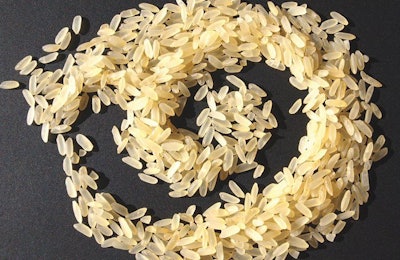
Rice remains a popular ingredient in pet diets despite the growing trend toward grain-free offerings. Most of the rice used comes under the category of “brewers rice.” This nomenclature still confuses some consumers. The brewing industry requires perfect seeds. Their broken, cracked or blemished grains have been a reasonable choice for pet foods given we typically grind or flour them before production. Despite what some critics might purport, this is not a low-quality waste product. Regardless, today more white or polished rice is being purchased straight from grower co-ops to fulfill the volume requirements. Thus, most rice used in pet food is the same grade and quality as that used in human foods.