Mars Sheba is expanding its Sheba Hope Grows coral reef restoration program in the Dominican Republic by deploying 650 innovative Reef Stars and 19,500 coral-growing substrates in partnership with marine conservation nonprofit FUNDEMAR, combining advanced technology with local expertise to restore damaged reef ecosystems and support coastal communities.
- Mars Sheba is deploying 650 Reef Stars and 19,500 coral-growing substrates across Dominican coral reef sites
- At least 25% of all marine species depend on coral reefs for survival, according to EPA and UN data
- The Dominican Republic has approximately 166 kilometers of coral reefs facing threats from bleaching, hurricanes, disease, and overfishing
- Partnership with FUNDEMAR includes training and tools for local conservationists to continue restoration work independently
- The program builds on a successful pilot in Bayahibe that combined Mars' Reef Star technology with FUNDEMAR's coral reproduction expertise in early 2025
The Sheba brand, part of Mars Inc., is expanding its Sheba Hope Grows coral reef restoration program to new and existing sites in the Dominican Republic through its partnership with FUNDEMAR (Fundación Dominicana de Estudios Marinos), a Dominican marine conservation nonprofit.
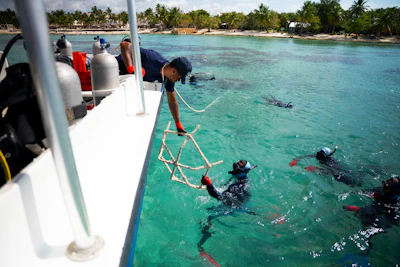
The partners plan to deploy 650 Mars Assisted Reef Restoration System (MARRS) Reef Stars and 19,500 coral-growing substrates to support coral growth and reef recovery. Reef Stars are interconnected, star-shaped structures that stabilize damaged reef areas and create a foundation for new coral growth. The program also will provide local conservationists with techniques, tools and training to continue restoration work beyond the original site.
“Through the Sheba Hope Grows program, we are advancing our long-term commitment to restoring vital coral reef ecosystemsc,” said Fawad Farrukh, vice president of marketing for the Sheba brand in North America. “Our partnership with FUNDEMAR supports the development of innovative solutions, helping expand our restoration efforts in the Dominican Republic. Beyond the seafloor, the Sheba Hope Grows program is designed to support restoration capabilities locally while empowering communities with additional knowledge and tools to continue and expand this work over time.”
 The program plans to expand an existing and a new Dominican Republic site, deploying 650 Mars Assisted Reef Restoration System (MARRS) Reef Stars.Mars Inc.
At least 25% of all marine species depend on coral reefs, according to the U.S. Environmental Protection Agency and the United Nations Environment Programme. The Dominican Republic has about 166 kilometers (103 miles) of coral reefs, which face pressures from bleaching, hurricanes, disease, overfishing and other environmental threats. Marine biodiversity, fisheries, coastal communities and tourism depend on healthy reef ecosystems, according to the company.
Founded in 1991 by marine biologist Idelisa Bonnelly, FUNDEMAR has worked to conserve coastal and marine ecosystems in Bayahibe since 2006. The organization operates coral nurseries and restoration programs that seed more than 18,000 substrates across seven coral species each year, and it opened the MARE-DR Marine Research Center in 2025. FUNDEMAR is a member of the International Union for Conservation of Nature (IUCN).
“Restoring coral reefs isn’t simply about planting more coral — it’s about developing approaches that can work at the scale and speed these ecosystems need,” said David Smith, chief marine scientist at Mars Sustainable Solutions. “By combining MARRS Reef Star technology with FUNDEMAR’s deep local expertise, we’re able to learn from what works on the ground and apply those insights to help advance coral restoration more broadly.”