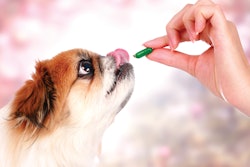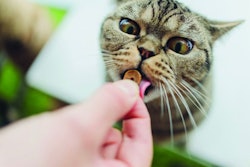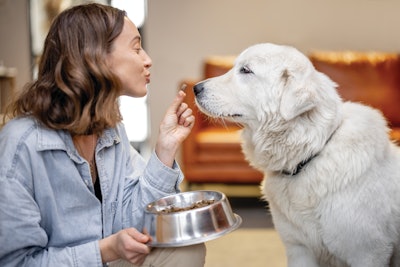
Topping on or mixing into our own human foods is a well-accepted practice, from sprinkles on ice cream, ice cream on pie, gravy on meat, bacon on salad, layered sauces on barbecue and just about anything on a baked potato. If we can make it look, smell and taste better, and we can feel better about it, we as humans will indulge.
Let’s face it — the pet food industry follows human food trends and has been doing so for decades. As early as 1960, dry gravy was coated on the outside of extruded kibble where added water created a thicker sauce or gravy for pets to enjoy. Soft-moist strands that looked like meat were formed in rounds and available in small packets to feed alone or on top of other foods early in 1963. Consumers were encouraged to “top” or “mix” canned food with dry foods to make it more appealing, or add water or milk to encourage their pet to eat better. In one focus group I attended in the late 1980s, dry cat food consumers were interviewed to see how they fed their dry cat food. It was hard to find one person that did not mix in either canned or soft-moist food along with tuna or chicken from their kitchen.