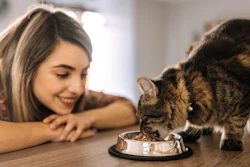
A new Harris Poll survey finds 40% of Americans would choose to have a pet rather than a child in the future, signaling a shift in family priorities that carries implications for the pet food industry.
The "State of Pets" report released in July, surveyed 2,070 U.S. adults, including 1,625 pet owners, from April 24-26. The report explored how pets are becoming a larger part of Americans' lives, from the way people think about family and relationships to how they spend, budget and make lifestyle decisions, touching on generational shifts, consumer behavior, family dynamics and evolving life priorities.
Among the findings, when forced to choose between having a pet or a child in the future, 40% of respondents picked pets, 39% said both, and 21% chose children. Among pet owners, 83% said their pets are like their own children.
"Paw-renthood has become a real economic and family identity," said Libby Rodney, chief strategy officer and futurist at The Harris Poll. "Asked what they'd prefer to have in the future, more Americans now choose pets over kids, and younger owners are cutting their own takeout, vacations and even medical appointments to splurge on their animals. This isn't sentiment. It's a generation deciding the pet is the one dependent they can actually afford to raise."
Gen Z leads the way
The trend was most pronounced among younger generations. More than half of Gen Z and millennial respondents, 55%, said they had considered building a life around pets instead of having children, and 54% said they would give their pet an inheritance if they could, the survey found.
Respondents who preferred pets over children cited several reasons, including not being in the right stage of life to raise a child (45%), pets being easier to care for than children (35%) and pets representing less of a financial strain (32%).
Pet ownership overall continues to climb. The survey found 77% of Americans own at least one pet, up 3 percentage points since 2024. Dogs remain the most common pet at 60%, followed by cats at 45%.
Cost pressures mount for younger owners
The survey also found rising costs are reshaping how pet owners, particularly younger ones, allocate spending. More than half of Gen Z and millennial respondents, 54%, said they worry about the cost of living affecting their ability to afford quality care for their pets.
Younger pet owners reported spending more than older generations across nearly every pet care category, including insurance, grooming, training and wellness products.
To offset those costs, many said they are making personal financial tradeoffs, including cooking at home more instead of ordering takeout (56% overall; 61% among Gen Z/millennials), switching to cheaper grocery brands for themselves (41%) and cutting back on personal comfort purchases (39%).
Nearly three in 10 Gen Z and millennial pet owners, 29%, said they are facing debt as a result of pet-related expenses, compared with 14% of Gen X and boomer pet owners, according to the survey.
Despite the financial strain, younger pet owners reported higher spending in categories such as pet insurance (61% vs. 22%), training (36% vs. 9%) and clothing (52% vs. 22%) than older generations. Seventy-seven percent of Gen Z and millennial pet owners said they maintain a separate budget for their pets, compared with 56% of Gen X and boomers.
AI pets fall short of the real thing
The survey found little appetite for AI as a substitute for pet companionship. Eighty-six percent of pet owners said AI pets could never replace the emotional bond they have with a real pet.
Support grows for pet-related policy measures
The survey found strong support among pet owners for policies aimed at easing the cost of pet ownership. Sixty-eight percent said pet owners should receive tax breaks for expenses such as food and medical care, similar to child-related deductions, and 69% said they would adopt their pet as a legal dependent if it were possible.
Other measures respondents said should be available to support pet owners included tax deductions for pet ownership (42%), rent control or caps on pet fees and deposits (37%), and the ability to use HSA or FSA funds for pet medical expenses (36%).
Forty-four percent of pet owners said the cost of living makes them worry about whether they can continue to afford the life their pet deserves, according to the survey.