Demographic-driven pet ownership growth across the Asia-Pacific region is creating durable, long-term demand for finished pet food and ingredients.
As birth rates decline across Asia, and marriage and childbearing are delayed, the region is seeing growth in pet ownership, according to James Meisenheimer, consulting manager – Thailand at Tractus. Meisenheimer spoke during the American Feed Industry Association’s 2026 Purchasing and Ingredients Suppliers Conference in Fort Worth, Texas.
Pets across Asia — in China, Taiwan, Thailand, South Korea and Singapore — are increasingly taking on a companion role in households.
“As the population is declining and people are marrying later in life or choosing not to have children, they are adopting pet ownership and beginning to humanize their pets, providing higher quality care,” he said.
In Japan, the largest pet food market in the region, the number of pet cats and dogs now exceeds the number of children under the age of 15. However, dog ownership has declined significantly, falling from 13 million in 2008 to 7.5 million in 2022, due to regulations and cultural shifts. South Korea, meanwhile, has approximately 15 million pet owners — roughly 30% of the population — and ownership continues to grow steadily.
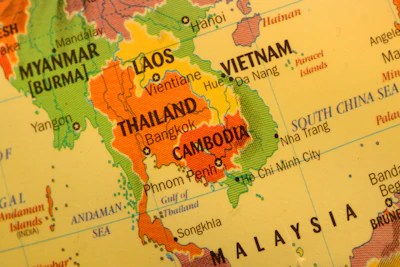
Emerging markets, including Thailand, Indonesia, Vietnam and the Philippines, are seeing near 10% annual growth in pet ownership.
Import dynamics and US market share
Countries with strong domestic manufacturing, such as Japan, China, South Korea and Thailand, see relatively low import shares (2% to 18%), while markets with weaker domestic production, such as Vietnam and Malaysia, rely on imports for approximately 83% of domestic demand.
U.S. pet food suppliers hold a modest share of the import market: approximately 6% in Japan, 3.5% in Malaysia and 7.7% in Thailand. U.S. exports to Japan have declined 34% since 2019, dropping from roughly $80 million to $48 million in 2024. Thailand, by contrast, has grown its share of Japanese imports by more than 27% and is steadily displacing U.S. product across Southeast Asia.
“The U.S. is under threat largely from the domestic regional production bases of the Japanese and the Korean companies that are in Southeast Asia, as well as one of the Thailand producers that are exporting across the region,” Meisenheimer said.
Thailand: regional and global powerhouse
Thailand’s dominance in pet food traces back to its world-class fish processing sector. For example, Thai Union — the largest tuna processor in the world and owner of the Chicken of the Sea brand — began experimenting with pet food in the 1980s and now generates approximately $600 million annually producing 200,000 metric tons across two facilities. CP Group, a $70 billion agricultural conglomerate, also contributes approximately $600 million in pet food sales.
In 2022, three other fish processors entered the pet food sector and opened new production facilities. Western and Japanese multinationals have also established manufacturing in Thailand.
More than half of pet food spending in Thailand is focused on premium products. Consumers are seeking natural ingredients, wellness-oriented formulations and “culinary sophistication” — including chef-style presentations and clean label branding.
“Consumers are increasingly looking for high quality, natural and specialized pet food options,” Meisenheimer said.
Owners of older pets are seeking longevity-focused products with functional ingredients for joint health, cognitive support and high-calorie needs.
Vietnam: emerging production base and growth market
Vietnam’s pet population is growing at approximately 4% annually for cats and 2% for dogs, with an estimated 6.5 million dogs and 5.6 million cats. Growth is concentrated in urban areas, driven by young professionals moving to cities and delaying marriage and children.
“Vietnam is about adding more pets into your family,” Meisenheimer said. “It’s not yet at the stage of premiumization, medicalization and silver aging pets because most of these pets are younger.”
Vietnam’s pet food manufacturing base is nascent but growing, mirroring the trajectory of Thailand’s industry in earlier decades. De Heus, a major Dutch animal feed producer, began producing pet food in Vietnam in 2021 with spare capacity and is targeting 500 metric tons annually over the next three years.