Alternative proteins can achieve excellent palatability in pet food when processed and formulated appropriately through techniques like fermentation and hydrolysis, making sustainability goals compatible with pet acceptance.
- Processing matters more than ingredients: Protein hydrolysates, fermentation, and other processing techniques significantly enhance palatability of alternative proteins in pet diets.
- Key processing methods include: Fermentation (Aspergillus oryzae, Candida utilis), hydrolysis of fish and chicken proteins, and retort processing for insect proteins.
- Chemical mechanisms: Processing generates taste-active peptides, free amino acids, and volatile compounds that enhance aroma and flavor dogs and cats naturally prefer.
- Proven alternative sources: Black soldier fly larvae, cricket protein, fermented soybean, yeast-based ingredients, and duckweed protein all show strong palatability when properly processed.
- Dual benefits: Well-formulated alternative proteins support both sustainability goals and pet health through improved digestibility and maintained nutrient absorption.
As the pet food industry uses more alternative protein sources with lower ecological impact than traditional meats, the most important question is: Will pets actually eat them? A literature review suggested that the answer depends less on the ingredient itself than on how it is formulated and processed.
“Pet food containing alternative proteins can achieve good palatability when processed and formulated appropriately, supporting sustainability and enjoyment,” study author Scott McGrane, PhD, of the Mars Petcare’s Waltham Petcare Science Institute, wrote in the journal Advances in Small Animal Care.
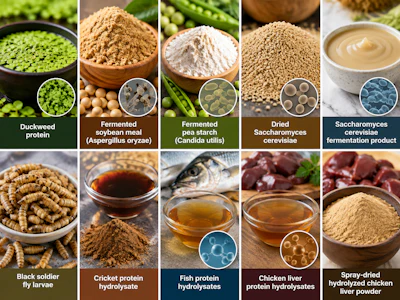
The review considered:
· Duckweed protein
· Fermented soybean meal (Aspergillus oryzae)
· Fermented pea starch (Candida utilis)
· Dried Saccharomyces cerevisiae
· Saccharomyces cerevisiae fermentation product
· Black soldier fly larvae
· Cricket protein hydrolysate
· Fish protein hydrolysates
· Chicken liver protein hydrolysates
· Spray-dried hydrolyzed chicken liver powder
Chemical factors behind alternative protein palatability
Protein hydrolysates appear to play an important role in that process. According to research results published in the journal Food Reviews International, hydrolyzed proteins contribute peptides, free amino acids and volatile compounds that enhance both taste and aroma while improving ingredient functionality (Ribeiro et al., 2025). The review notes that hydrolysates can help alternative protein formulations better match the savory sensory characteristics dogs and cats naturally prefer.
Fermentation may offer similar benefits. According to research results published in the Journal of Animal Science, dog food containing Aspergillus oryzae-fermented soybean meal maintained good digestibility and palatability, demonstrating that plant proteins can perform well when processing improves their sensory characteristics (Chen & Aldrich, 2025). Likewise, research published in the Journal of Animal Physiology and Animal Nutrition found that fermentation of pea starch with Candida utilis influenced palatability responses in both dogs and cats, illustrating how ingredient processing can affect acceptance independently of the base ingredient (Curso-Almeida et al., 2024).
Insect proteins have also shown promise. According to research results published in the Journal of Animal Science, cats readily consumed diets containing black soldier fly larvae after retort processing, while maintaining acceptable nutrient digestibility (Do et al., 2022). Similarly, research published in Veterinary World reported that cricket protein hydrolysate supported both palatability and product stability in dog diets (Saejiem et al., 2025).
Yeast ingredients continue to attract attention as both protein sources and flavor enhancers. According to research results published in Translational Animal Science, extruded diets containing dried Saccharomyces cerevisiae maintained palatability in both dogs and cats (Davenport et al., 2023). A subsequent study published in Animals found that a Saccharomyces cerevisiae fermentation product supported palatability while also benefiting intestinal health and immune markers in cats (Ishii et al., 2025).
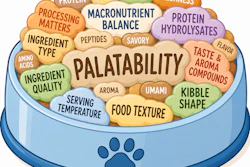
The review suggested these studies share a common message. Ingredient source alone does not determine acceptance. Aroma generation during processing, production of taste-active peptides, texture, and overall formulation collectively shape whether a novel ingredient succeeds in the food bowl.
As manufacturers pursue sustainability goals and diversify protein supplies, the literature indicates that alternative proteins need not rely solely on environmental credentials. With careful formulation and processing, they can also deliver the sensory qualities that keep pets coming back to the bowl.
References
Chen, Y., & Aldrich, C. G. (2025). Digestibility and palatability of extruded dog food with Aspergillus oryzae-fermented soybean meal and its influence on colonic fermentation indicators. Journal of Animal Science, 103. https://doi.org/10.1093/jas/skaf392
Curso-Almeida, P., Subramaniam, M., Gallagher, A., et al. (2024). Determining the effects of Candida utilis-fermented pea starch vs. unfermented pea starch, alone or in whole diets, on palatability and glycemic response in dogs and cats. Journal of Animal Physiology and Animal Nutrition, 108(4), 934–949.
Davenport, G. M., Block, S. S., & Adolphe, J. L. (2023). Effects of extruded pet foods containing dried Saccharomyces cerevisiae on palatability, nutrient digestibility, and fecal quality in dogs and cats. Translational Animal Science, 7(1). https://doi.org/10.1093/tas/txad107
Do, S., Koutsos, E. A., McComb, A., et al. (2022). Palatability and apparent total tract macronutrient digestibility of retorted black soldier fly larvae-containing diets and their effects on the fecal characteristics of cats consuming them. Journal of Animal Science, 100(4). https://doi.org/10.1093/jas/skac068
Ishii, P. E., Teixeira, F. A., Lin, C. Y., et al. (2025). Effects of a Saccharomyces cerevisiae fermentation product on diet palatability and feline intestinal health, immunity, and microbiome. Animals, 15(17), 2551.
McGrane, S. J. (2026). An overview of factors affecting diet palatability in cats and dogs. Journal of Animal Science Advances.
Ribeiro, T. B., Maia, M. R. G., Fonseca, A. J. M., et al. (2025). A comprehensive review of fish protein hydrolysates targeting pet food formulations. Food Reviews International, 41(5), 1321–1359.