Nutritional science is not dietetics (choosing of foods for health), but it is the study of nutrients upon health, performance and optimum life. Nutritional principles have always been very difficult to convey in soundbites to consumers. Unlike pet food products, all humans must build their own daily nutritional regimen from a variety of sources and choices. Most often these decisions lead to imbalanced, under-fortified end results (built for taste with high sugar, starch and salt). This is not the case for pet foods, which are built to meet the nutrient profiles as set forth by the Association of American Feed Control Officials (AAFCO) to claim “complete and balanced” or “100% nutritious.”
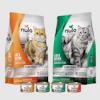
Nutritional claims on packaging are difficult to convey and are likely shown in short statements or described in paragraph format on the back of the package. Packaging can also have space limitations (e.g., cans) to describe nutrition and health claims which further limits communication to pet owners. Therefore, we have experienced changes in pet food claims to be primarily about ingredients, marketing terms or percentages of nutritional content (more is perceived as better) and less on nutritional claims.