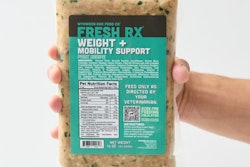
Michael O'Rourke, CEO of Wynwood Dog Food Company, said he is seeing a trend of pet owners increasingly requesting fresh, minimally processed dog food options, including for prescription and therapeutic diets traditionally dominated by kibble and canned formats.
The shift reflects broader consumer nutrition trends, said O'Rourke, who leads the fresh dog food brand. "We are seeing a 'wellness spillover' effect: as more pet parents prioritize their own strength, physique and longevity goals through disciplined nutrition — often centered around whole foods and functional macros — they are applying that same logic to their pets," he explained.
O'Rourke described the trend as driven by heightened consumer understanding of nutrition's role in metabolism and overall health. Pet owners now view food as a functional tool affecting how organisms perform and age, he said.
Vet recommendations
O'Rourke also noted some veterinarians are seeing benefits with fresh formulations in cases where dogs refuse traditional prescription diets.
"I recently had a veterinarian transition their own dog to our fresh formulations after the dog rejected standard commercial renal diets," he explained. "In cases of chronic illness like renal disease, where appetite suppression is a major symptom, veterinarians are observing that the aroma, texture, and high-quality protein of fresh food often succeed where ultra-processed formulations fail."
Transparency demands
Consumer expectations for sourcing and formulation transparency have evolved beyond label claims to require visual verification and ingredient-level traceability, O'Rourke noted. Wynwood operates an open-kitchen concept where pet owners can observe meal preparation directly.
"Consumers are rejecting vague terms like 'meat meal' or 'animal fat' in favor of specific origins," he said. Wynwood uses USDA-inspected proteins and human-grade produce, maintaining supply chain standards comparable to human food production, he said.
Emerging transparency tools include lot-code tracking and live-streamed production areas, which Wynwood plans to integrate into its new facility in Miami, Florida, U.S.
Formulating for canine metabolism
Product development aligned with canine metabolism means formulating for biological function rather than shelf-stability alone, according to O'Rourke. A key consideration is moisture content.
"Feeding a mammal a diet with a moisture content of less than 10%, as is standard with traditional kibble, is fundamentally at odds with how a dog's body functions," he explained. "The metabolic process, from the initial enzymatic breakdown in the gut to nutrient absorption and waste excretion, requires significant amounts of water."
At Wynwood, that means prioritizing whole foods and gentle cooking methods that preserve the cellular water content of its ingredients. "Aligning with canine metabolism means providing food that carries its own hydration for digestion," he added.