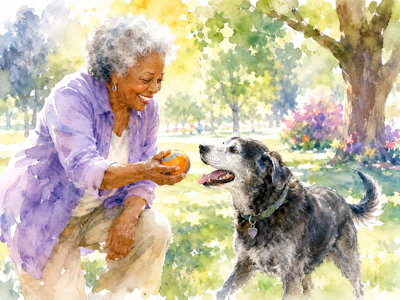
As dogs and cats live longer than ever before, the pet food industry has opportunities to develop diets that support healthy aging. Yet despite the expanding population of senior pets, Shanghai Academy of Agricultural Sciences scientists observed that nutritional recommendations remain largely based on research conducted in younger animals. Their literature review published in the journal Animals examines what scientists know about nutrition for aging dogs and cats, identifies the biggest gaps in current knowledge, and outlines the research priorities needed to develop evidence-based nutritional guidelines for senior companion animals.
10 questions about senior pet nutrition this review answers
1. Why is nutrition for senior dogs and cats becoming a bigger research priority?
Advances in veterinary medicine, preventive care and owner awareness have extended the lifespans of companion animals, resulting in a rapidly growing senior pet population. The review notes that more than one-third of the world's dogs and cats are now considered seniors, increasing demand for evidence-based nutritional strategies that support healthy aging.
2. Why are there still no nutrition guidelines specifically for senior pets?
The authors identify three major barriers: the lack of reliable biomarkers that define healthy aging, fragmented nutrition research and limited availability of healthy aged dogs and cats for controlled studies. They note that current nutritional recommendations from organizations such as the Association of American Feed Control Officials and the European Pet Food Industry Federation do not distinguish between adult and senior animals.
3. What happens to dogs and cats as they age?
According to the review, aging is associated with increased risk of chronic diseases, including chronic kidney disease, osteoarthritis, cognitive dysfunction, heart disease and cancer. Older pets also experience changes in muscle mass, immune function, gut microbiota, metabolism and skin and coat quality that can affect their nutritional needs.
4. How can researchers tell whether a pet is aging normally?
The review concludes that they currently cannot do so reliably. Researchers have evaluated biomarkers such as DNA damage, telomere length, DNA methylation, oxidative stress markers, immune cells and gut microbiota, but none can consistently distinguish healthy aging from disease or meet all criteria for an ideal aging biomarker.
5. Do senior dogs and cats need different nutrition than younger adults?
Yes, although many details remain uncertain. Research summarized in the review suggests older pets have lower energy requirements but are more susceptible to dehydration. They may also benefit from adjustments in protein, fat, fiber, vitamins and mineral nutrition that account for age-related physiological changes.
6. Should senior pets eat more protein?
The answer remains debated. The review notes that evidence from several studies suggests appropriately formulated higher-protein diets can support healthy senior dogs and cats without necessarily worsening kidney function. However, protein levels should be based on species-specific physiology and individual health rather than market trends alone.
7. Which nutrients and supplements show the most promise for healthy aging?
According to the review, the strongest evidence currently supports omega-3 fatty acids, antioxidant vitamins, dietary fiber and certain nutraceuticals such as glycine and undenatured type II collagen. These ingredients have been associated with improvements in inflammation, cognitive function, oxidative stress, gut health or joint health, although additional research is needed.
8. Does feeding management matter as much as diet formulation?
Potentially. The review discusses emerging evidence that feeding frequency, including time-restricted feeding or once-daily feeding in dogs, may be associated with better cognitive performance and lower rates of several age-related disorders. The authors note that more research is needed before firm recommendations can be made.
9. What large research projects are helping scientists understand pet aging?
The review highlights several major initiatives, including the Dog Aging Project, the Golden Retriever Lifetime Study and Generation Pup. These long-term cohort studies collect biological samples and health, nutrition and lifestyle data to identify aging biomarkers and better understand how diet and environment influence healthy aging.
10. What needs to happen next to improve nutrition for aging pets?
The authors recommend developing non-invasive aging biomarkers, creating evidence-based nutritional guidelines specifically for senior dogs and cats, and expanding international collaboration to generate larger datasets and advance personalized nutrition research. They conclude these efforts are needed to improve healthspan and quality of life in aging companion animals.