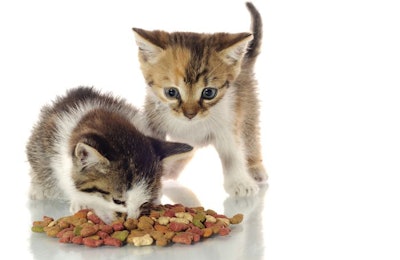
Dog, cat and other pet foods have differentiated into a wide range of styles, from raw meat to refrigerated fresh varieties. Nevertheless, dry kibble remains nearly universal in pet owners’ pantries. For example, market research firm Packaged Facts’ data reflected that approximately 94% of U.S. dog owners have used kibble consistently for the past decade. Four main reasons may explain why pet food makers process pet food in extruders to produce kibble and why dry pet food has remained popular with consumers for decades.
“One of the most important is food safety, so making sure that the product is going to be free of pathogens, also for its shelf life free of those spoilage microorganisms,” Heather Acuff, Ph.D., director of research and development for pet food company Nulo, said in her presentation at Petfood Essentials 2021.
Another reason for processing pet food in an extruder is to differentiate the products.
“We process them to make lots of different shapes and colors and different types of foods that help it stand out for their company.”
The third reason is ease and efficiency for pet food distributors and retailers.
“When we add these ingredients together we process them, you can dry them, they're a little bit easier to transport,” she said.
Convenience and economic concerns of pet owners make up the fourth reason.
“It makes it more affordable for customers to have pre-processed food, rather than having to buy all the individual components and assemble them themselves,” Acuff said.
These four reasons help explain why dry kibble remains the dominant pet food format worldwide.
Petfood Forum
Petfood Forum conference and exhibition serves the global pet food manufacturing industry and educational content sessions from the event will be offered on-demand. Register now for your ticket to learn about pet nutrition, global pet food market growth, pet food safety, processing, packaging and more, all from leading, recognized pet food industry experts.