Pet food marketers can effectively communicate about obesity by focusing on pets' health rather than weight labels, providing evidence-based product benefits, and directing owners to veterinary guidance instead of making unsupported promises or inducing shame.
- Describe pets as having a condition rather than defining them by weight—say "a dog with obesity" instead of "an obese dog"
- Connect messaging to health goals like mobility, quality of life, and comfort rather than weight loss guarantees
- Avoid shock-value images, before-and-after campaigns without context, and language that shames pet owners or ridicules animals
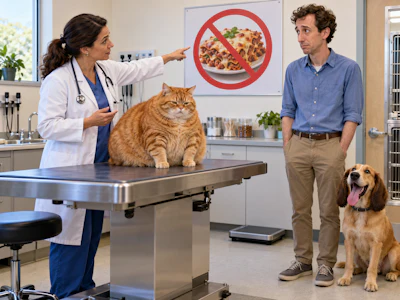
- Direct owners toward veterinary consultation with specific, actionable next steps rather than immediate diet changes
- Test messages with your target audience to ensure clarity and identify whether wording feels accusatory or prevents action
Pet food packaging and advertising can address obesity by focusing on pets’ health, explaining product benefits accurately and giving owners a practical next step, according to the Association for Pet Obesity Prevention’s 2026 Pet Obesity Communication Guidelines.
The guide recommends describing pets’ conditions without defining animals by their weight, avoiding unsupported promises and choosing images that explain rather than ridicule.
“A clear pet obesity message should help one audience take one safe, realistic action,” the guidelines state.
Veterinarian Ernie Ward authored the guide, published in September 2026. He drew on veterinary research, human communication guidance and editorial recommendations. The document states that it is a communication guide, not a diagnostic or treatment guideline. It also notes that its advertising examples are illustrative, rather than evidence that particular wording prompts specific actions. The recommendations nevertheless provide concrete considerations for pet food companies developing consumer messages.
Describe the condition without labeling the pet
The guide recommends “a dog with obesity” instead of “an obese dog,” and “a cat with an overweight body condition” instead of using overweight as a defining label.
Applied to packaging, that approach means reviewing how copy describes the animals a product is intended to serve. Supporting text can discuss body condition and nutritional needs while keeping the pet, rather than a body-size label, at the center of the message.
The same principle extends to social media. The guide discourages professional accounts from using phrases such as “chonk of the week,” “fat cat” or “lazy dog” to attract attention. It also cautions against implying that a pet owner’s body size explains an animal’s condition.
Respectful communication does not require avoiding the word obesity. The guide favors precise descriptions over euphemisms that can minimize a health concern.
Connect the message to health and a clear action
Comfort, mobility, quality of life and healthy time together are among the goals the guide recommends considering when planning a campaign. Any benefit presented must match the available evidence.
For pet food marketers, this distinction matters when moving from general education about weight management to statements about a particular product. The guide asks marketers to identify the source supporting each benefit or claim.
The guide advises against guarantees of weight loss, disease prevention, remission, longevity or other clinical results. It also rejects suggestions that one food, supplement or program is appropriate for every pet.
One advertising example replaces “Buy now and start today” with “Ask your veterinary team whether this diet fits your pet’s nutrition plan.”
For packaging teams, that approach could inform a short educational message alongside product information. The action should be specific and feasible, while directing owners toward individualized advice. The guide discourages instructions to begin cutting food immediately or to diagnose a pet without veterinary assessment.
Choose images that explain the message
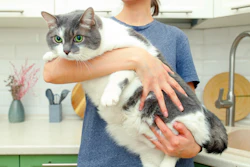
The guide recommends showing whole pets in ordinary settings rather than isolating body parts for shock value or exaggerating an animal’s size.
For package designers and advertising teams, the corresponding question is whether an image helps explain care, activity or the pet’s relationship with its household. An animal’s size should not become the joke.
Before-and-after campaigns require additional context. The guide recommends dated photographs taken under comparable conditions, permission to publish, recorded measurements and an explanation of other care provided. Companies should distinguish measured changes from improvements reported by owners.
“One pet’s result shows what happened for that pet,” Ward wrote. “It does not promise the same for others, or prove what caused the change.”
Artificial intelligence-generated or substantially altered images should be clearly labeled when viewers could mistake them for real patients, photographs or outcomes.
Test what owners understand
The guidelines recommend making sponsorship and relevant business relationships clear in educational promotions. A testimonial should be presented as an individual experience, with fictional or composite stories identified.
Before releasing a campaign, marketers can show the material to members of its intended audience and ask them to explain the message and proposed action. They should also ask whether any wording or image feels accusatory and what might prevent the reader from acting.
Applied to packaging, this could mean testing the message as shoppers will encounter it on the package. The goal is to learn whether owners understand what is being communicated, what remains uncertain and what they can do next.